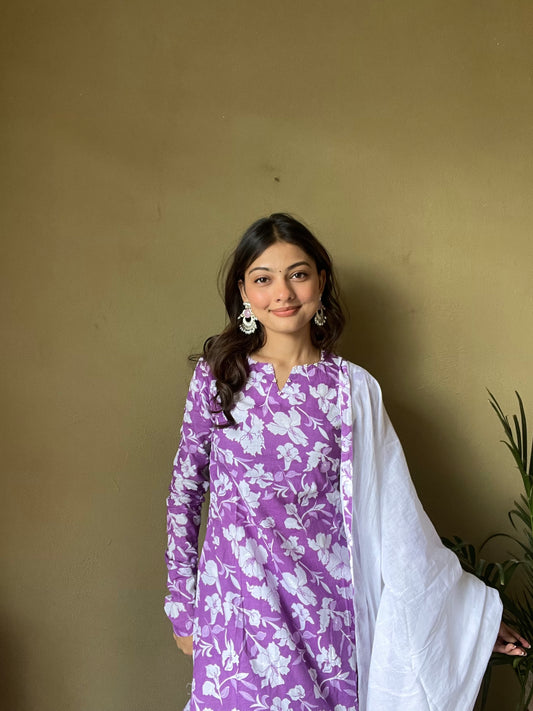
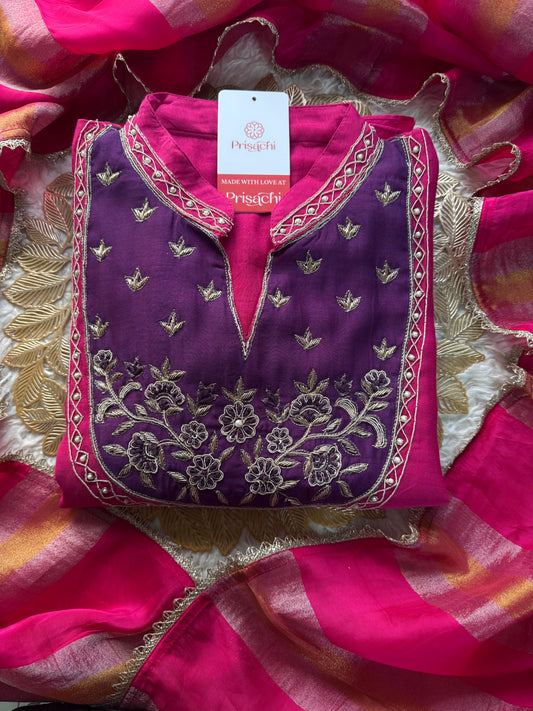
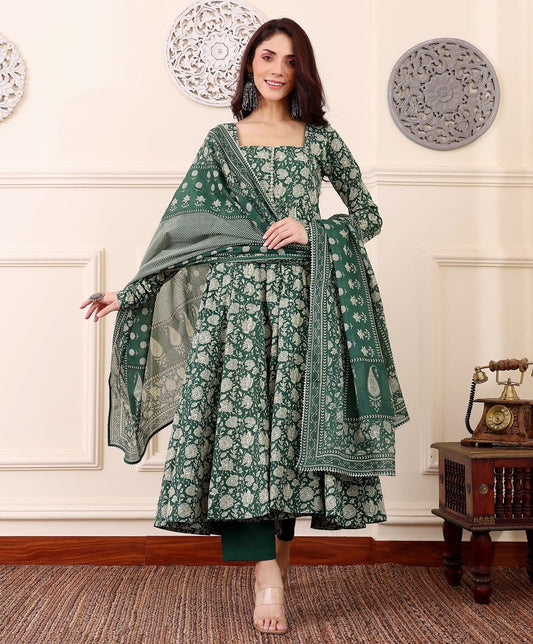
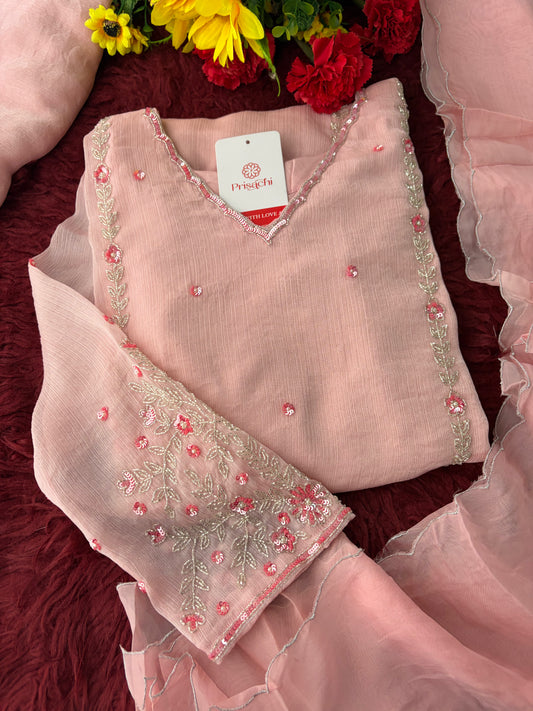
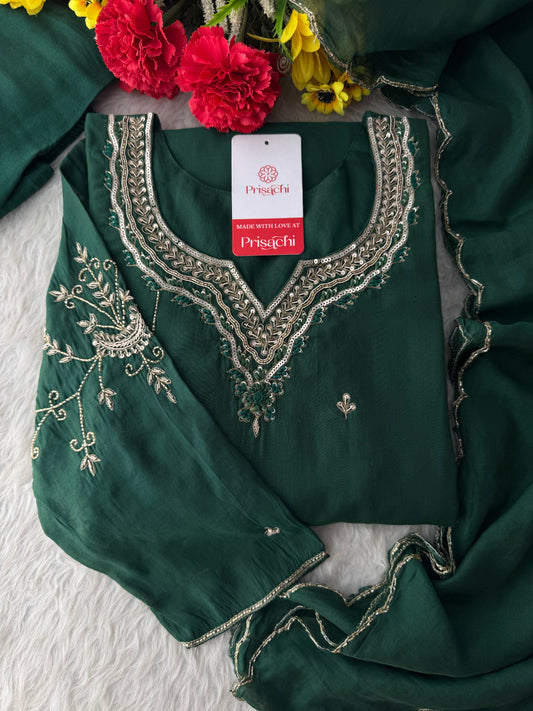
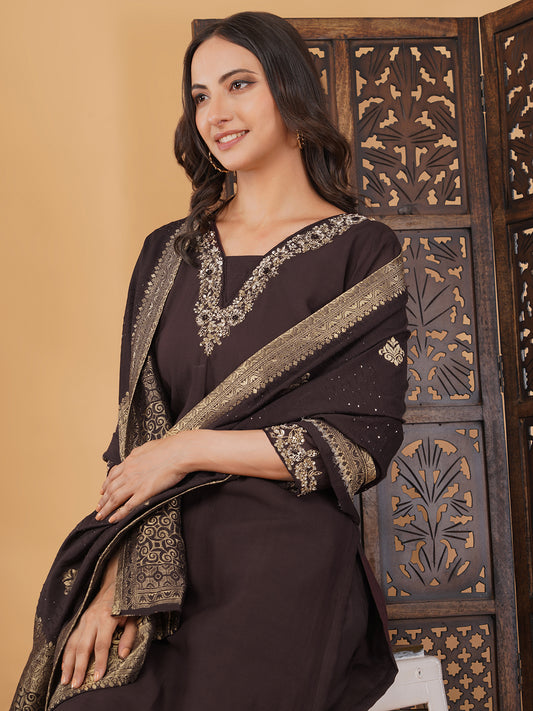
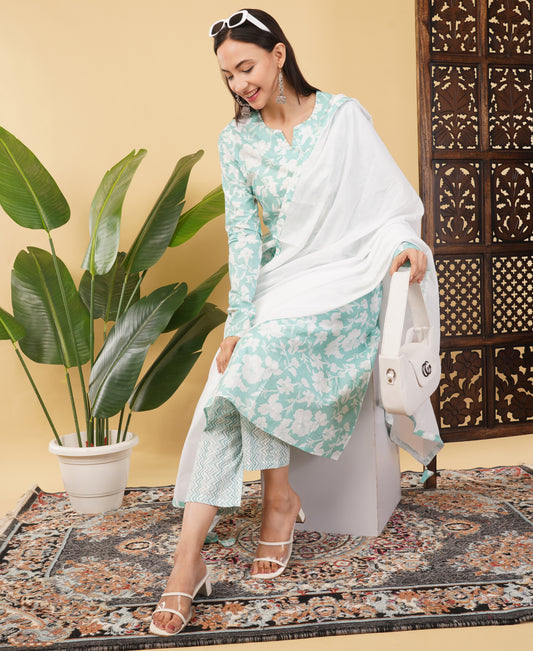
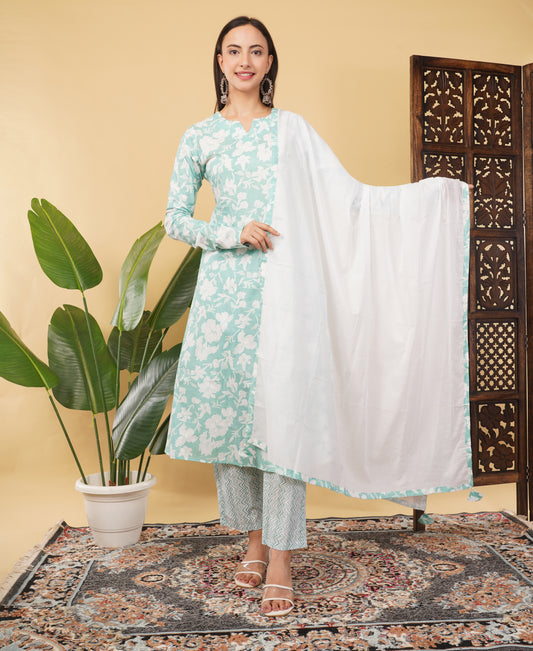
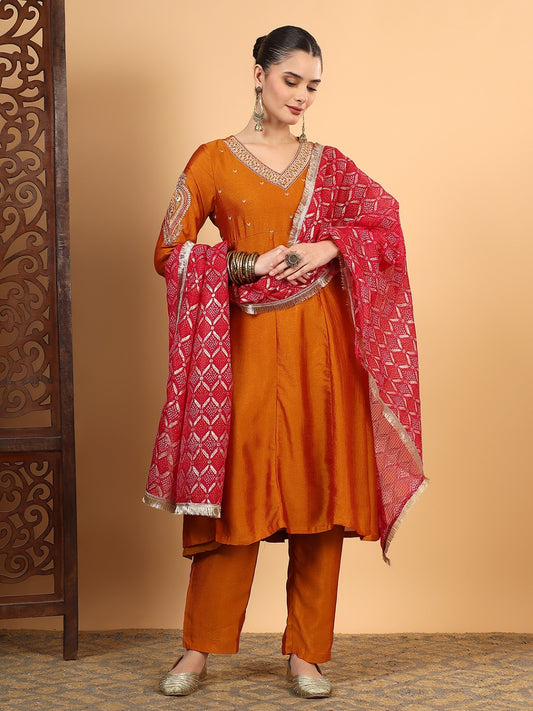
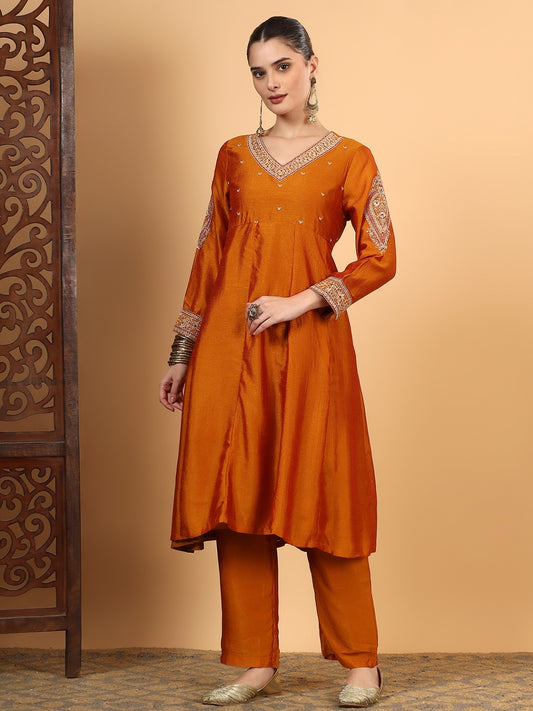
Anarkali Kurta Set for Women
The Flare Is the Whole Point
An Anarkali kurta set isn’t subtle. It’s not trying to be. The whole appeal is the flare — the way the fabric falls from the waist and moves with you when you walk. That movement is what makes Anarkali different from any other ethnic silhouette.
The cut goes back to Mughal-era court dressing. It got modernised, lost a few yards of fabric along the way, picked up new fits and lengths, but the flowy bottom half stayed. That’s the part nobody wanted to give up.
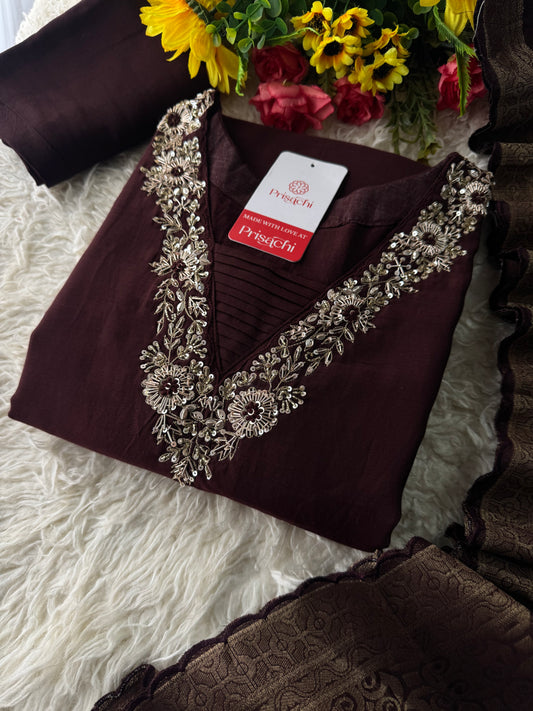
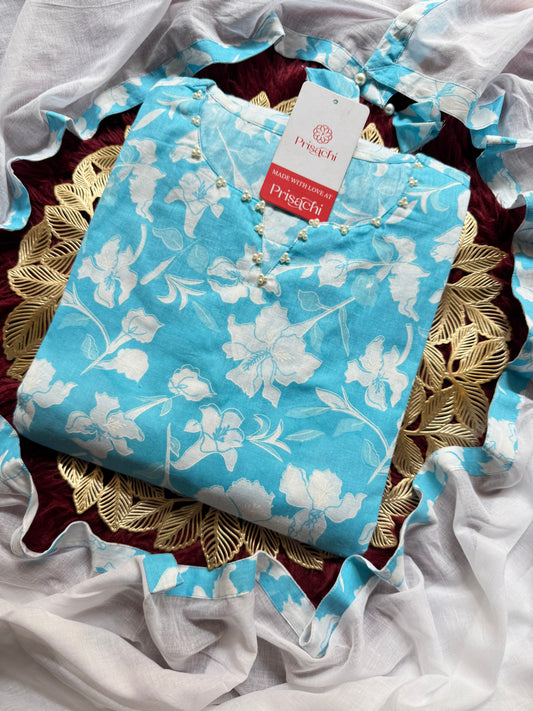
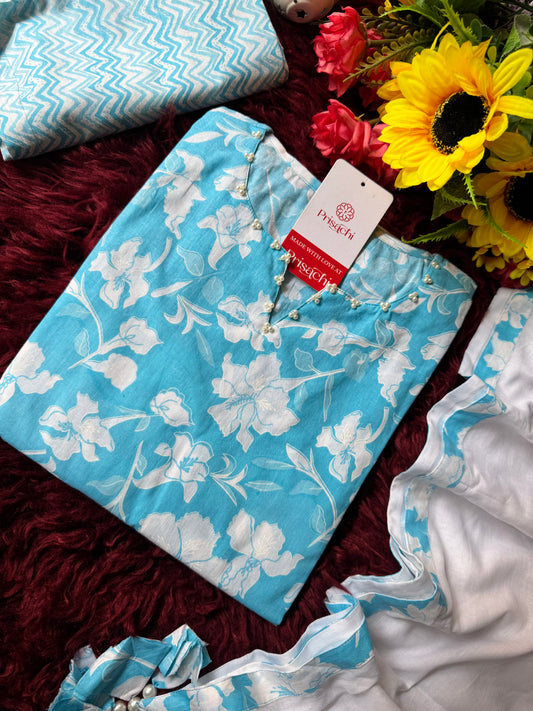
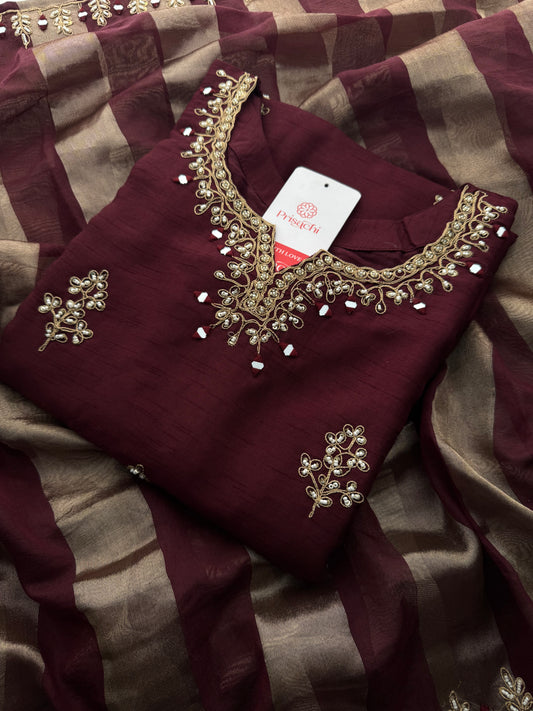
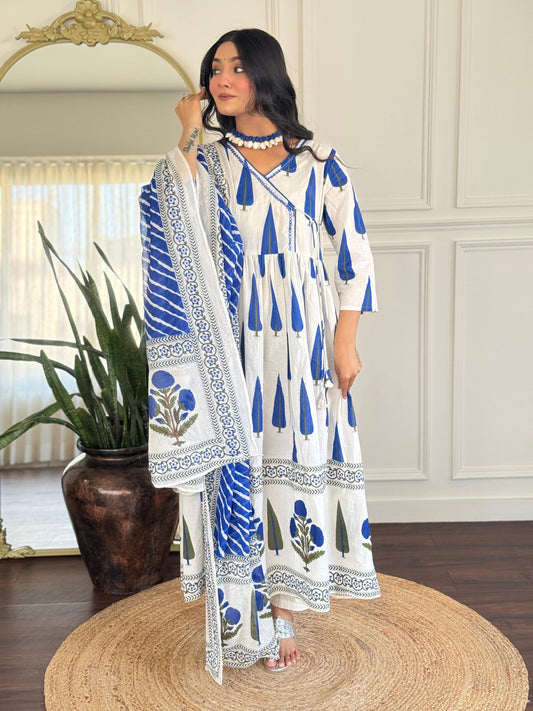
Prisachi’s anarkali kurta set collection sticks to what the silhouette does well. Soft fabrics. Clean cuts. Just enough flare without being theatrical.
Different Lengths, Different Vibes
Not every Anarkali looks the same, and length is the biggest reason why.
Knee-length Anarkalis are the easiest to wear. Less fabric, less drama, easy to style with cigarette pants or churidars. They work for office and daily wear without feeling like you’re trying too hard.
Calf-length sits in the middle. More flow than knee-length, less fuss than floor-length. This one’s the daily-festive crossover — wear it to a Diwali at home, a small wedding function, a dinner. It does it all.
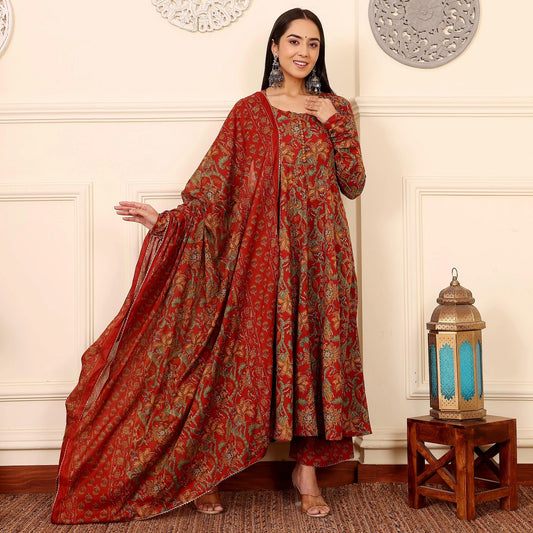
Floor-length Anarkalis are the showstoppers. They’re built for sangeets, receptions, and big wedding evenings, and they look incomplete with anything less than statement jewellery and a properly draped dupatta. Don’t bring this one out for a casual lunch. It’ll look like you got the dress code wrong.
The Design Details That Actually Matter
Anarkali kurtas live and die by the small stuff. The cut at the bust, the depth of the flare, the neckline, the sleeve length — these are what separate a piece that looks expensive from one that looks like a costume.
Mandarin collars and v-necks both work, but v-necks usually flatter more. Side slits make floor-length Anarkalis easier to walk in. Empire-line embellishment (embroidery just below the bust) is the most flattering placement for most body types.
Statement sleeves — bell sleeves, balloon sleeves — are having a moment but don’t pair them with heavy embellishment unless you want the outfit doing too much.
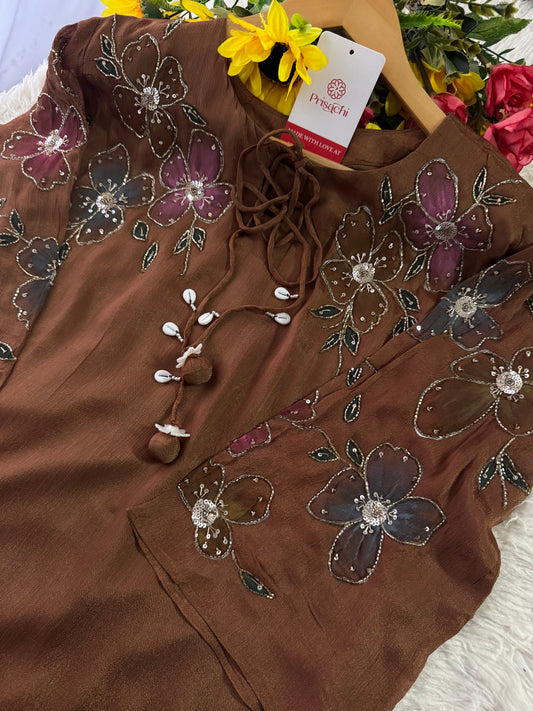
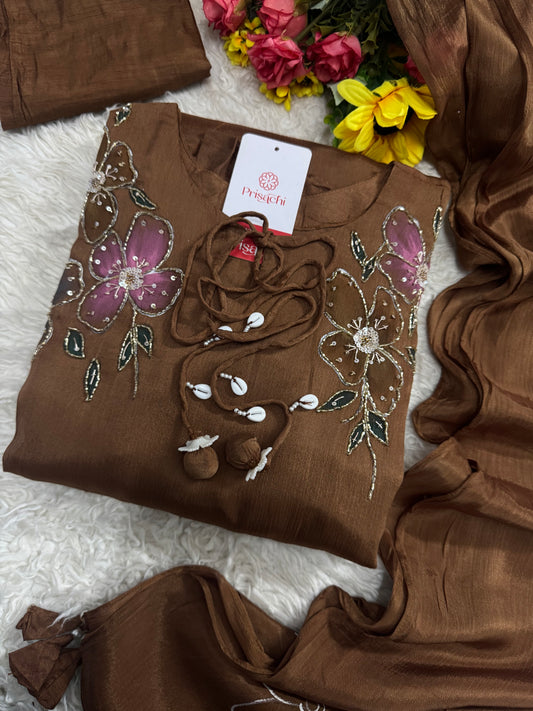
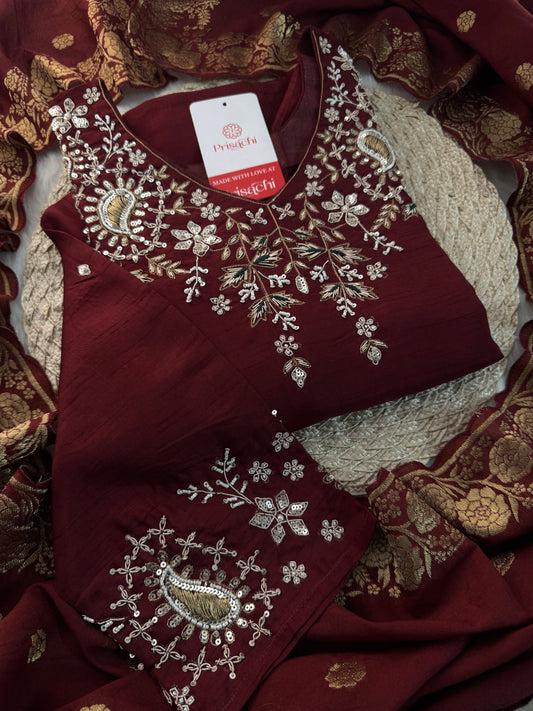
The yoke is the other place to pay attention. Subtle gota patti, fine zari, light sequin work — these read elegant. All-over heavy embroidery on the yoke usually doesn’t.
Fabric Pairing for Different Occasions
Cotton Anarkalis are for daily and casual wear. Soft, breathable, easy to wash. Pair with light jewellery and you’re set for daytime gatherings or office.
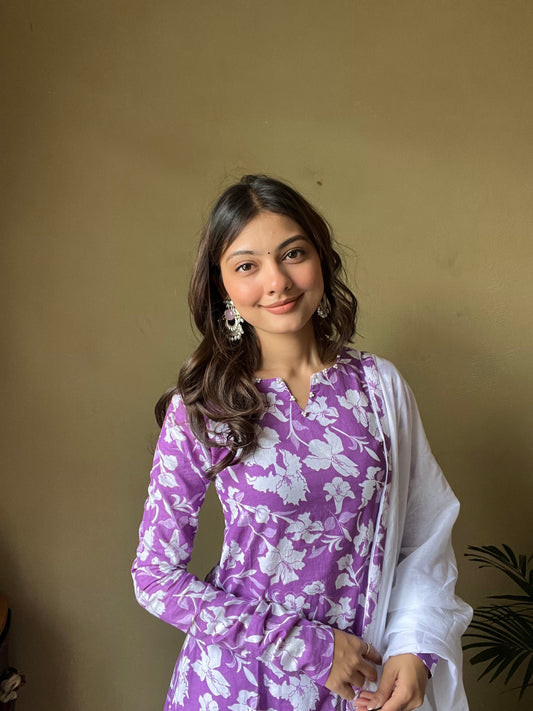
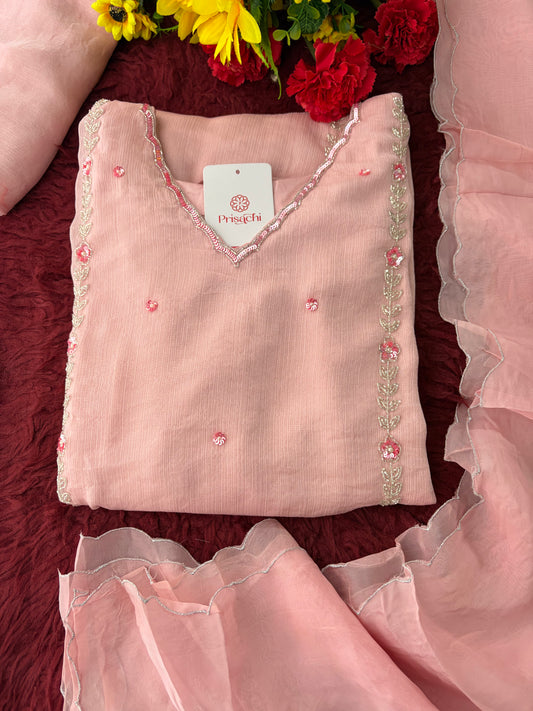
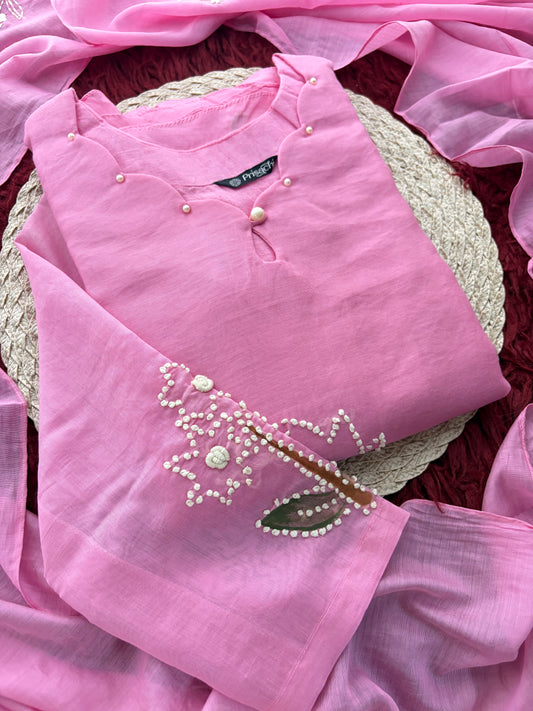
Georgette and chiffon Anarkalis are the everyday-festive crossover. They drape beautifully, sit lighter than silk, and work for daytime functions and small evening events. A georgette Anarkali kurta set with dupatta in a pastel — mint, lavender, dusty pink — is one of the most versatile things you can own.
Silk and Chanderi Anarkalis are dressier. Silk for big festive events and weddings, Chanderi for the in-between days when you want something dressier than cotton but not as heavy as silk. Velvet shows up mainly in winter wedding pieces, usually with zardozi or zari work.
If you want a fabric that does most things, georgette. If you want something for one specific big occasion, silk.
Why Choose Prisachi for Anarkali Kurta Sets
Anarkali sets are easy to get wrong. Either the flare is too stingy and the silhouette falls flat. Or the embellishment is too heavy and the kurta feels like wearing furniture. Or the fit at the bust is off and nothing else matters.
Prisachi tries to nail the basics. The flare actually flares. The fabrics are chosen for drape, not just look. The cuts sit close at the bust and release cleanly into the flare.
Embellishment stays restrained — yoke detailing, sleeve borders, light dupatta work — without overcrowding the piece.
The collection covers the full range. Cotton Anarkalis for daily and office. Georgette and Chanderi for festive home wear. Heavier silk pieces for weddings and big events.
If you’re drawn to softer embroidery, the chikankari kurta set range has Anarkali options. For something with more detail, the embroidered kurta set collection has a strong Anarkali section.
Caring for Your Anarkali
Cotton and georgette Anarkalis can be hand washed in cold water with mild detergent. Don’t twist or wring — the fabric stretches at the waist and you’ll see it. Lay flat or hang gently to dry. In shade.
Silk and embroidered Anarkalis go to the dry cleaner. Don’t try to save money here. One wrong wash and the embroidery puckers, the dye bleeds, or the silk loses its sheen.
Iron on low to medium heat depending on fabric. For embroidered pieces, iron inside out and avoid pressing over the stitchwork directly.
Store on padded hangers — the weight of an Anarkali on a thin wire hanger pulls at the shoulders over time.
FAQs on Anarkali Kurta Sets
What is the difference between Anarkali and other kurta cuts?
Anarkali has a fitted bust and a flared bottom that falls from the waist or just below. That flare is what defines the cut. Straight kurtas hang flat. A-line kurtas flare from the waist but more gently. Anarkali is the most dramatic of the three.
Can Anarkali kurta sets be worn for daily wear?
Yes — knee or calf-length cotton Anarkalis are easy enough for office, daily errands, and casual outings. Save the floor-length silk versions for weddings and bigger occasions.
What sizes are available?
Prisachi offers Anarkali kurta sets across a wide size range, with fits kept relaxed and natural rather than tight at the bust or waist.
How do I wash an Anarkali kurta?
Cotton and georgette can be hand washed in cold water with mild detergent. Don’t wring. Silk, embroidered, or sequin-work Anarkalis should be dry cleaned. Iron on low heat, store on padded hangers.