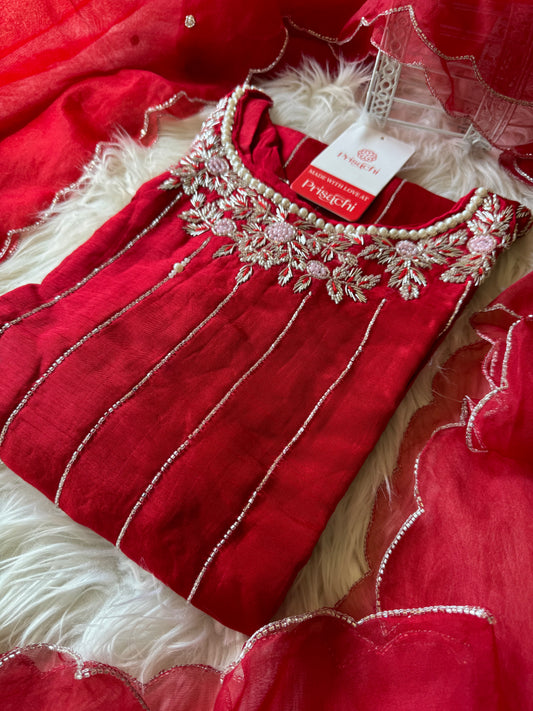
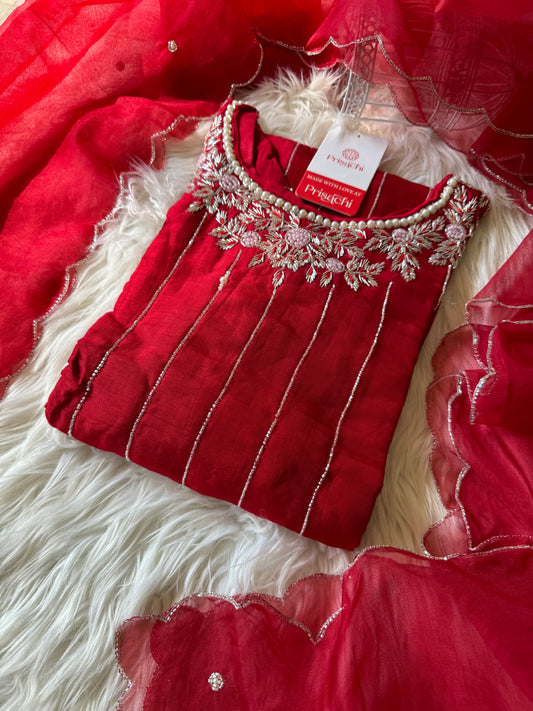
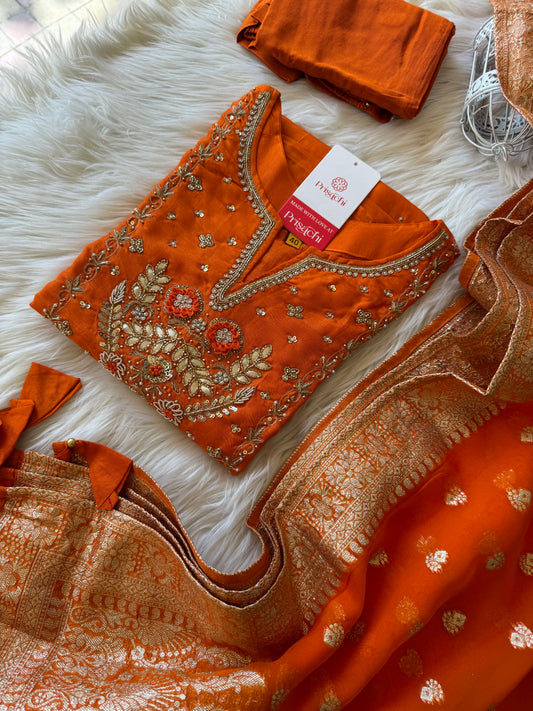
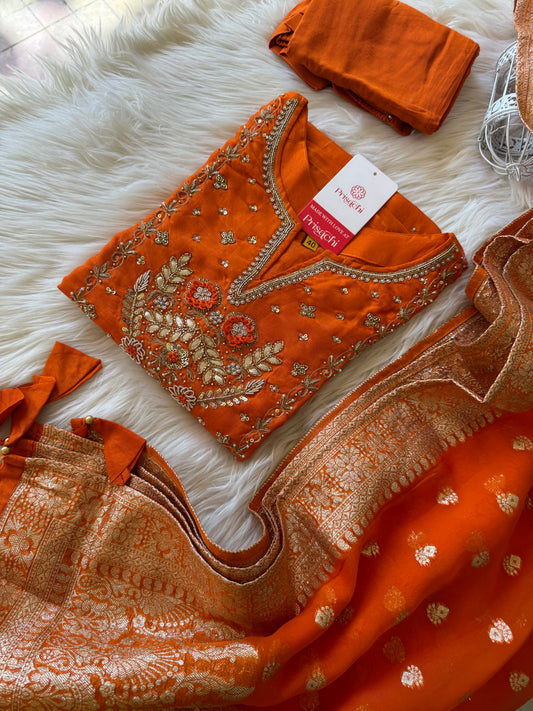
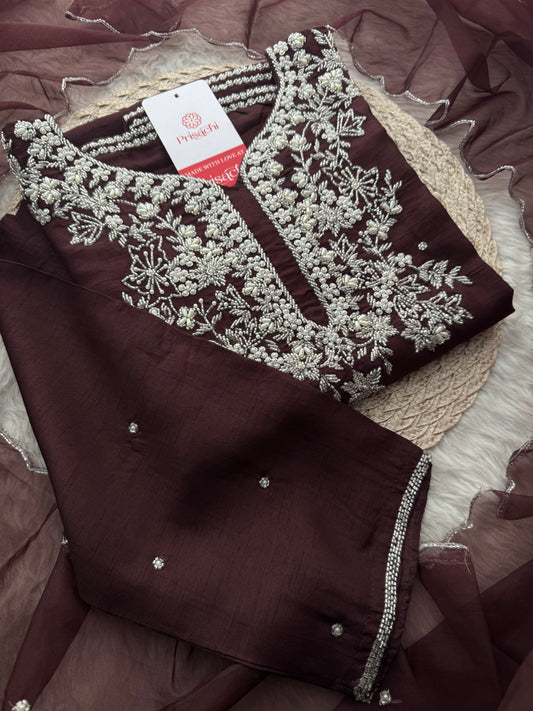
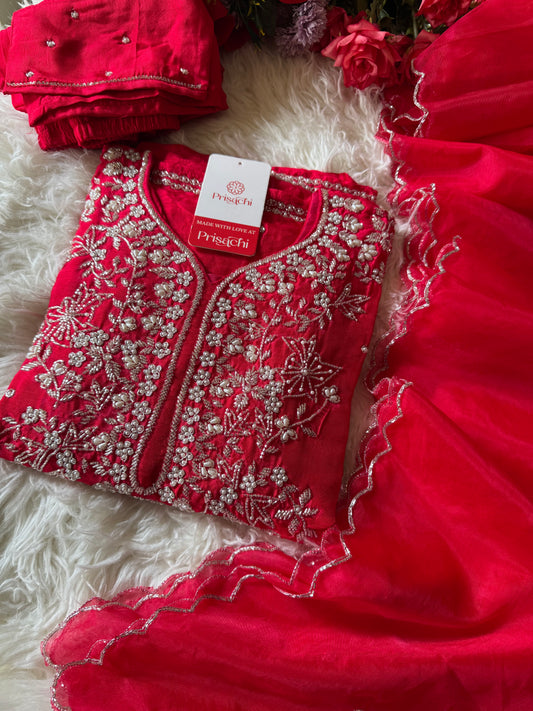
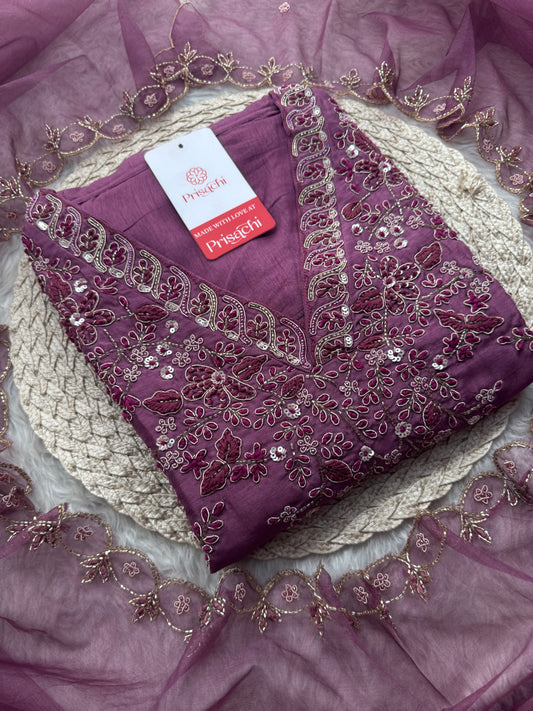
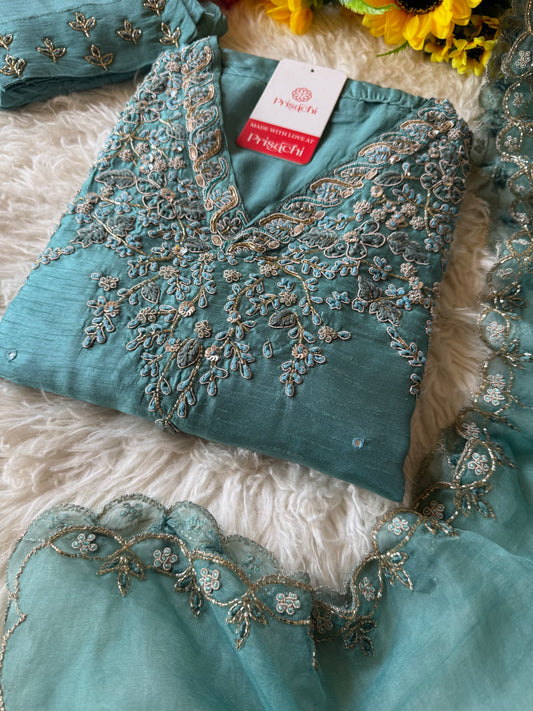
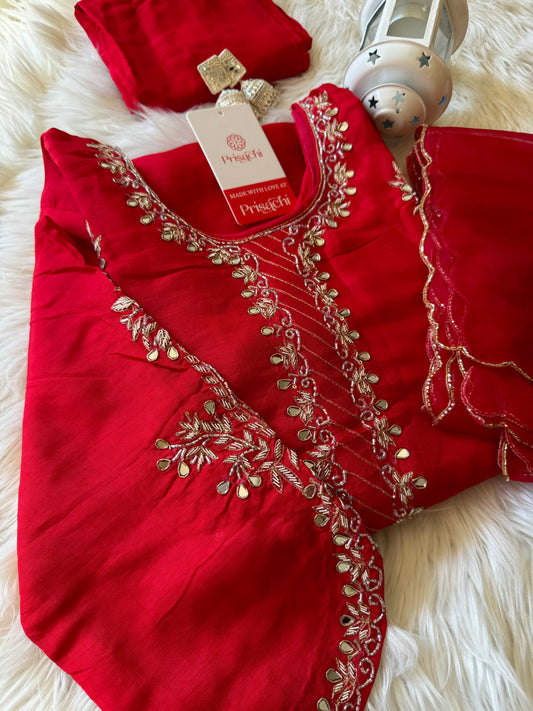
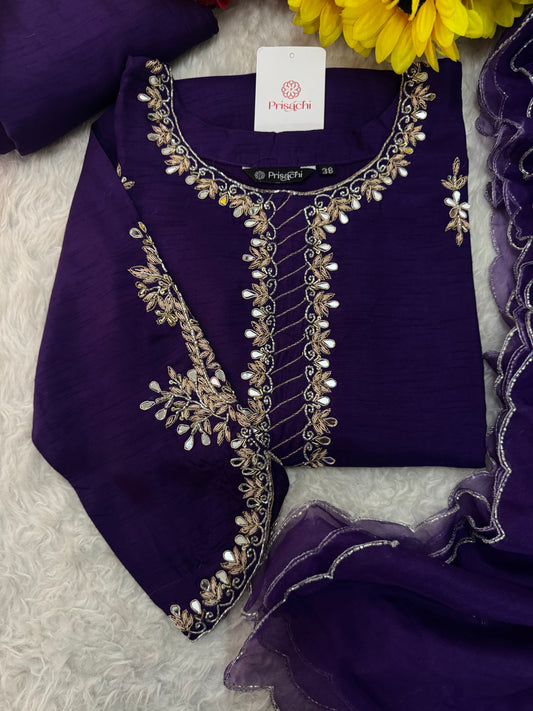
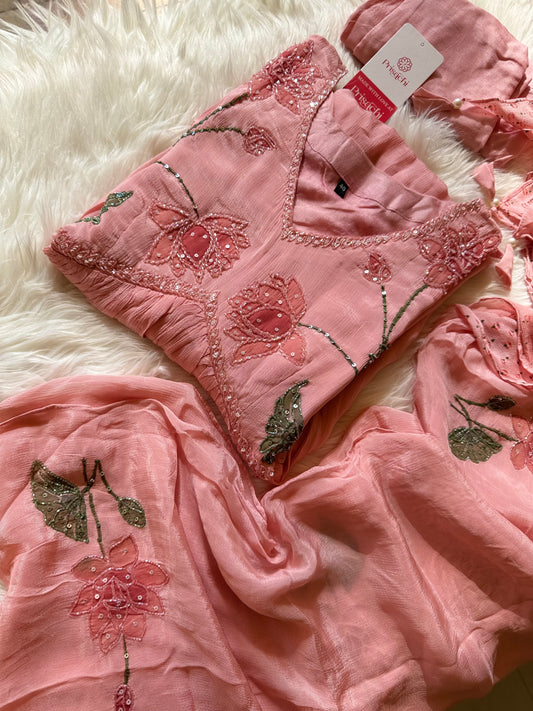
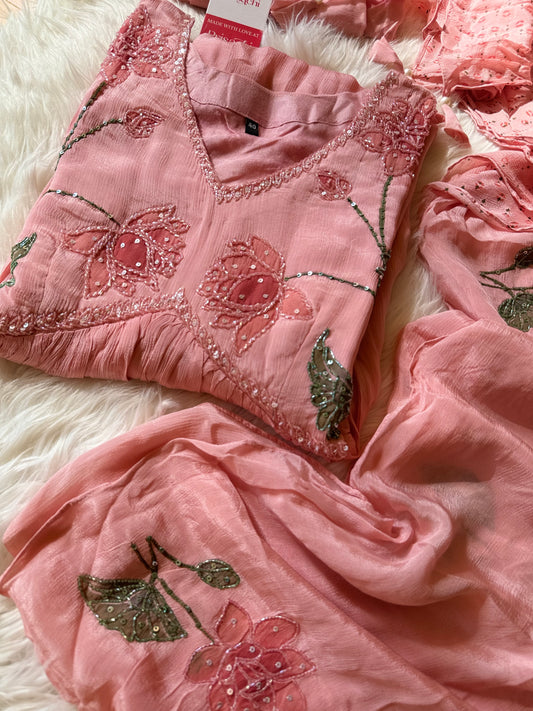
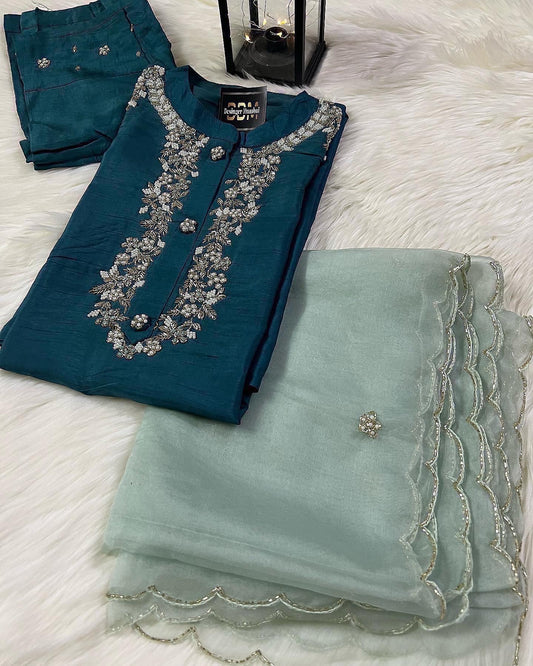
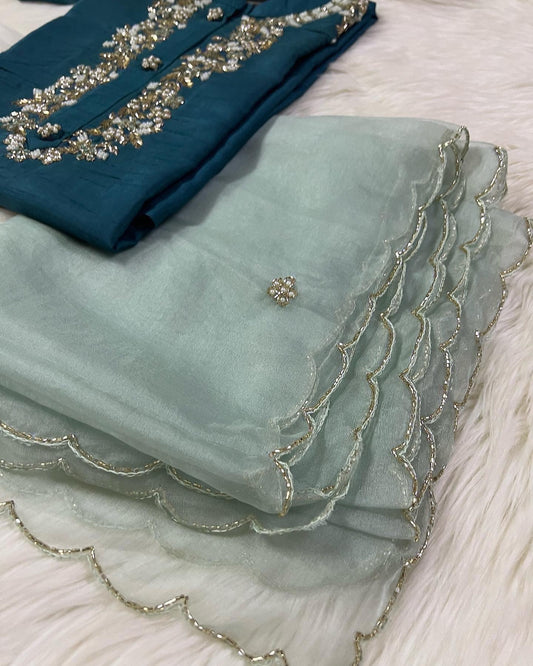
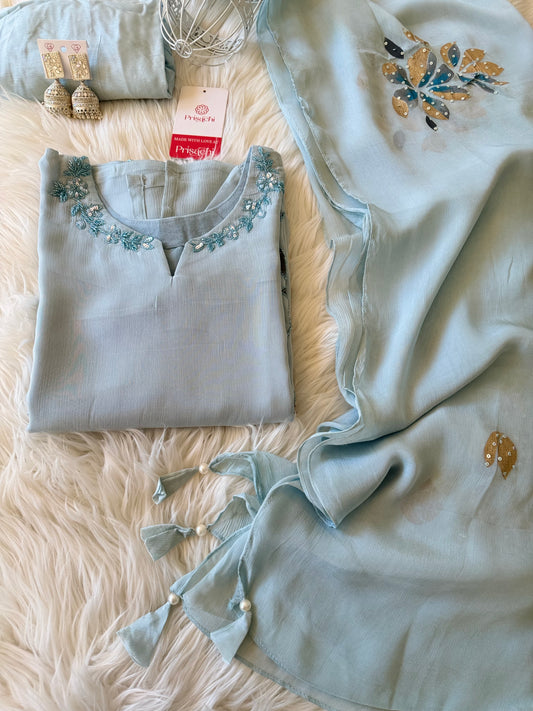
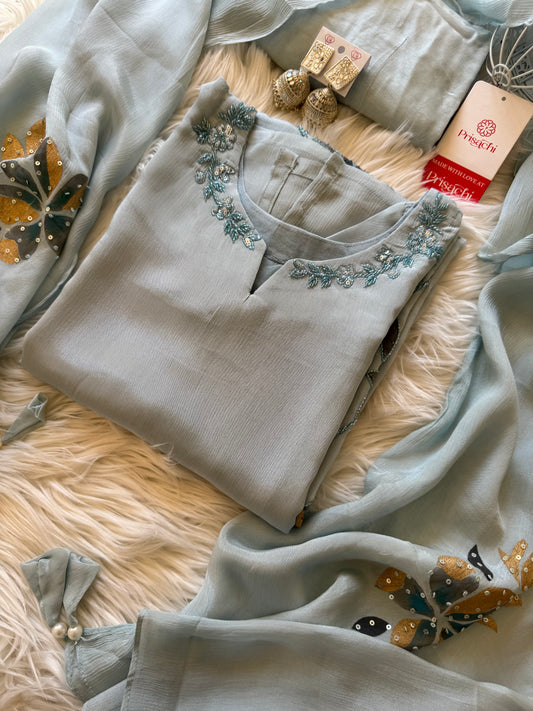
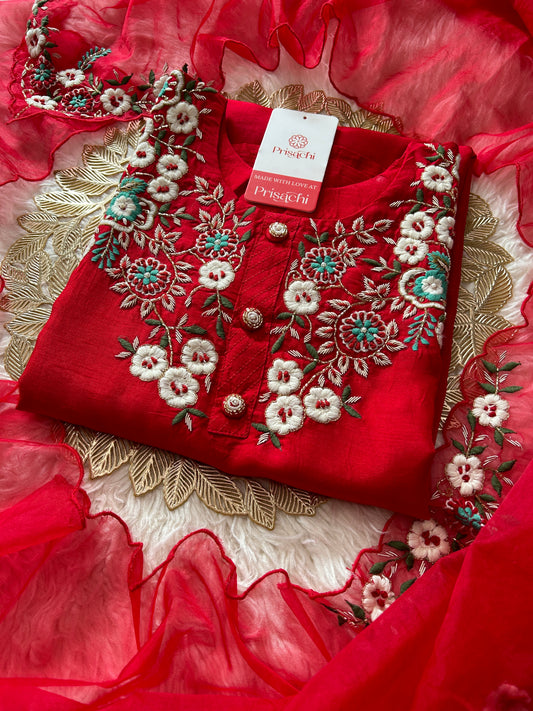
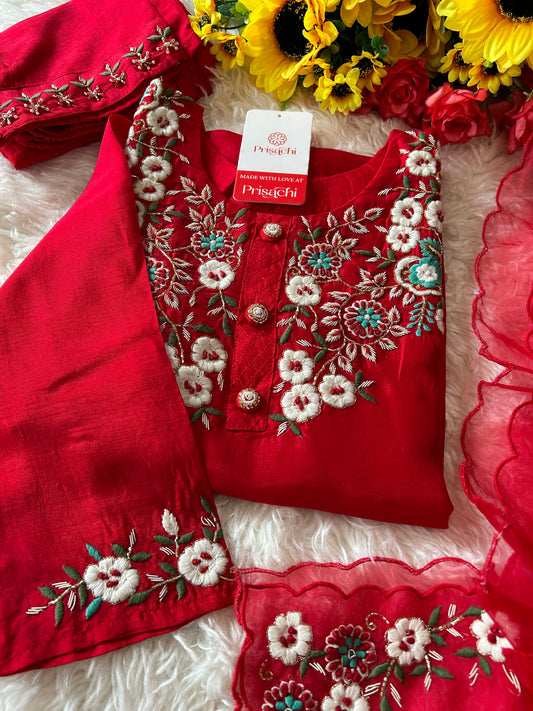
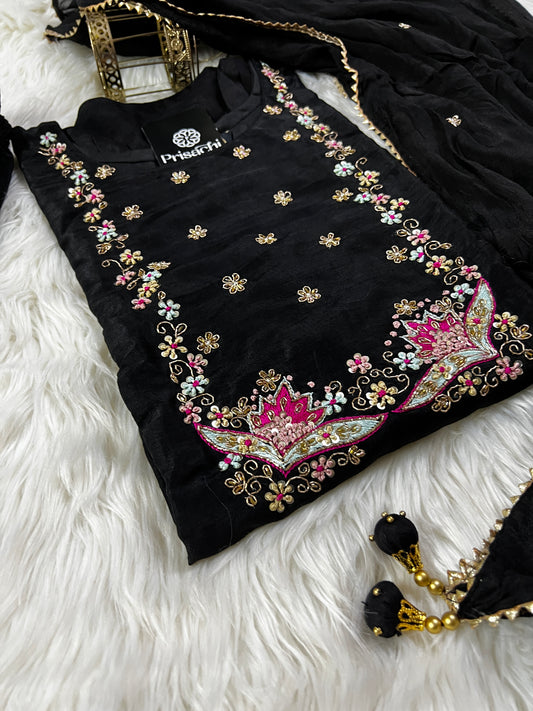
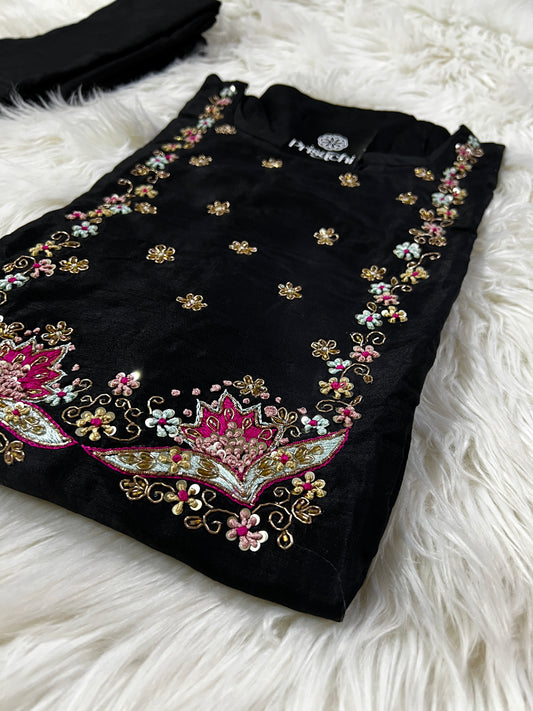
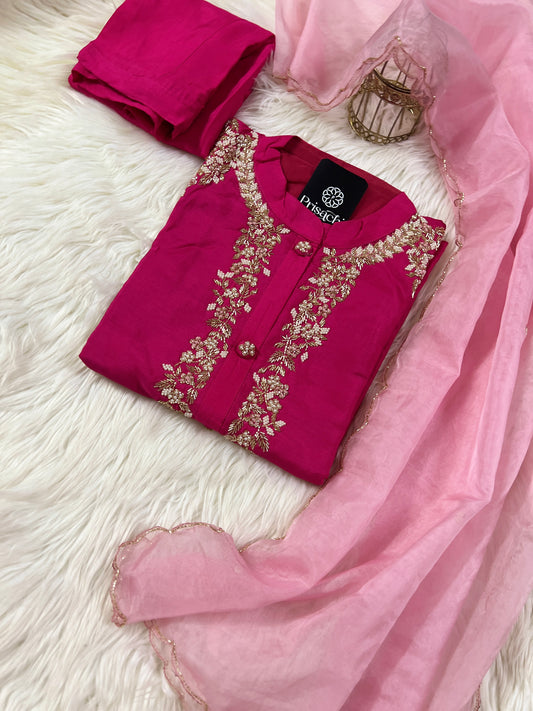
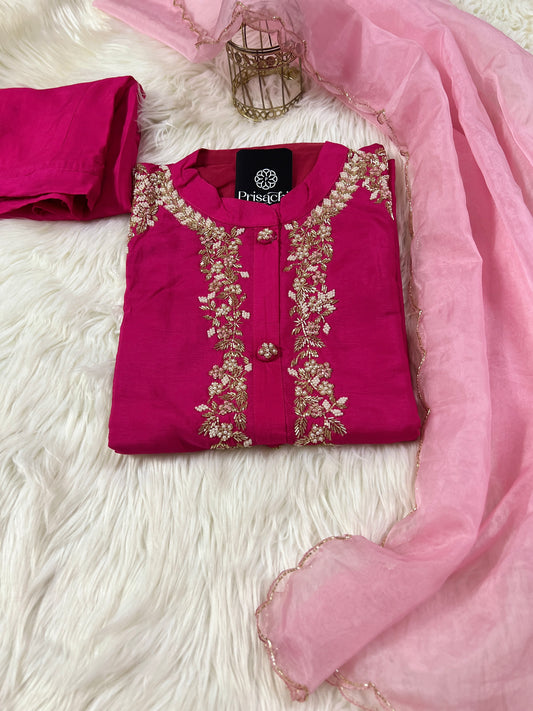
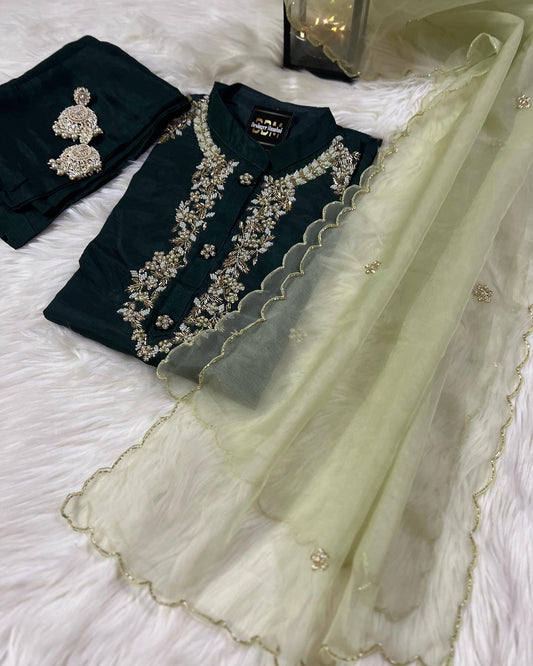
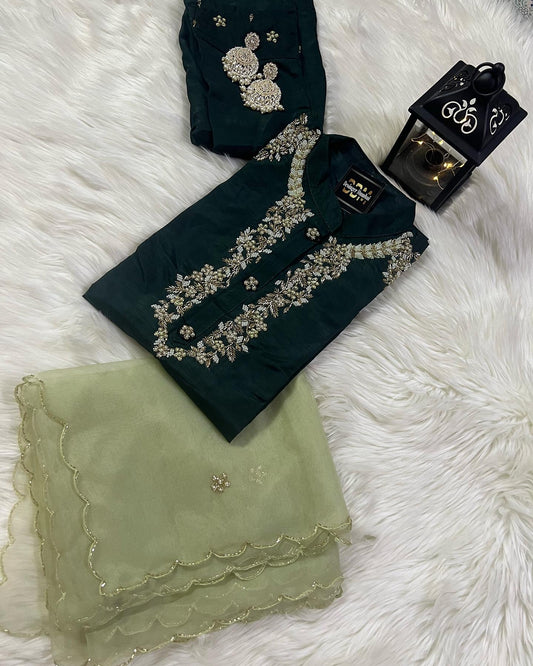
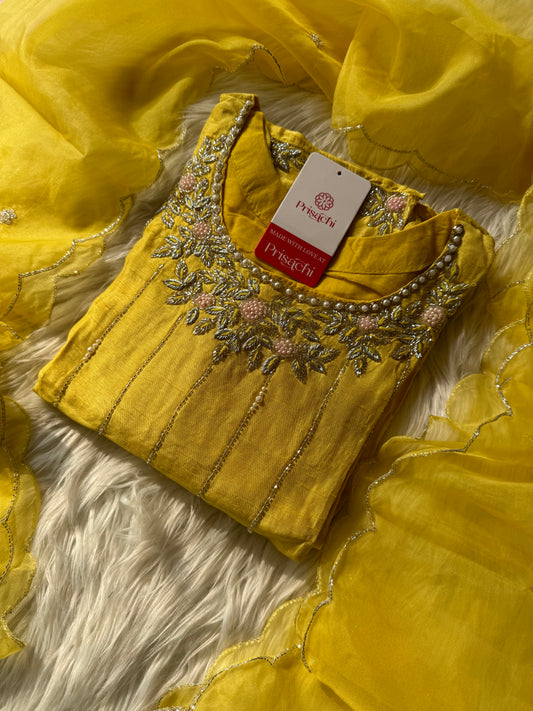
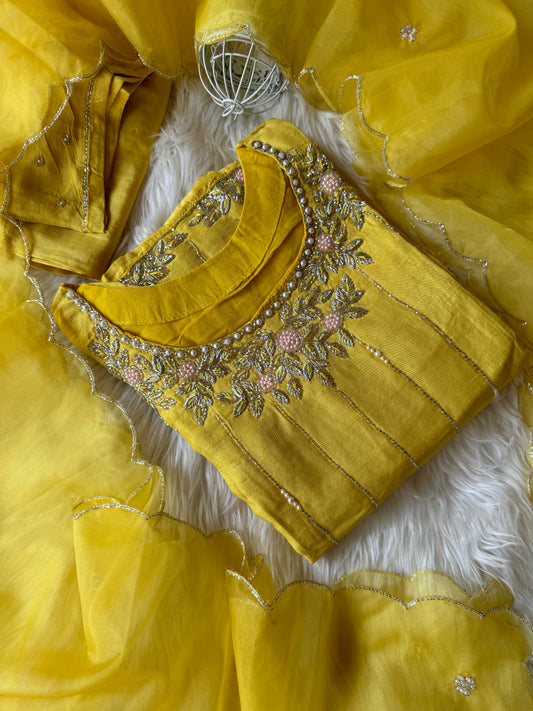
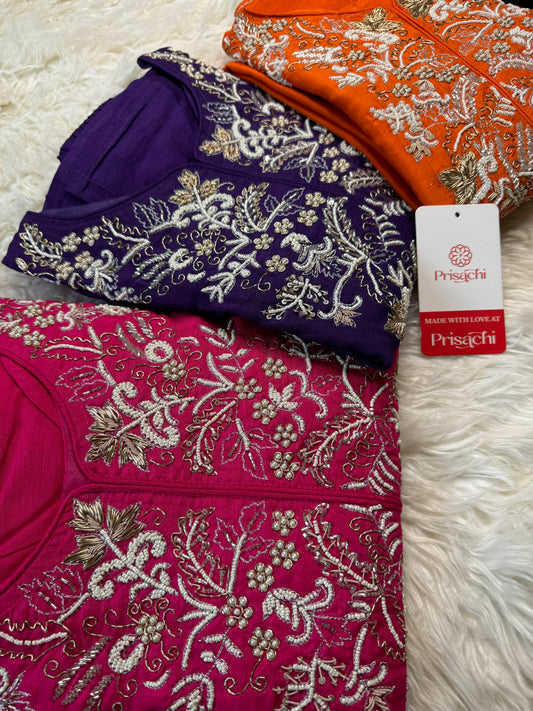
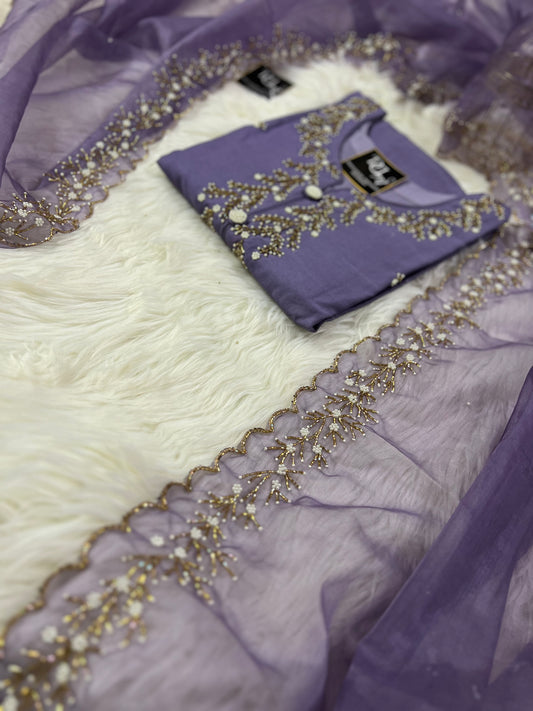
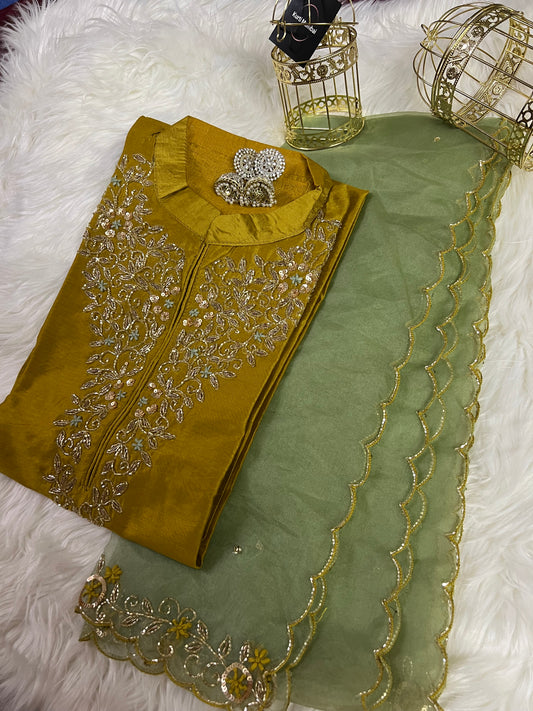
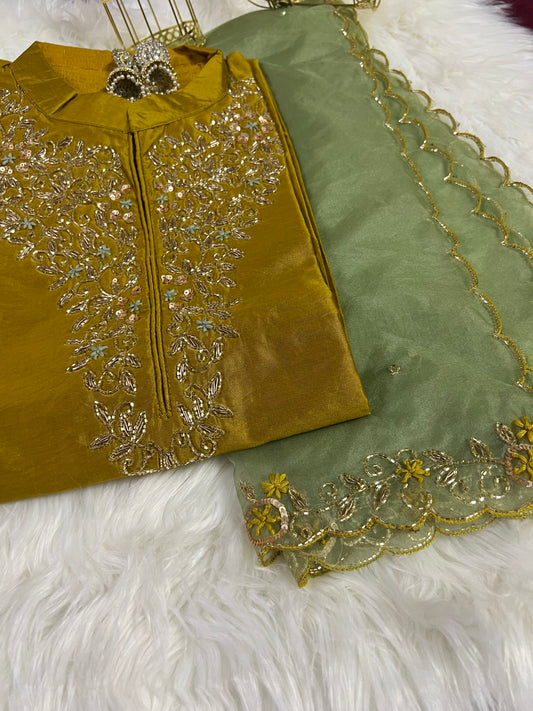
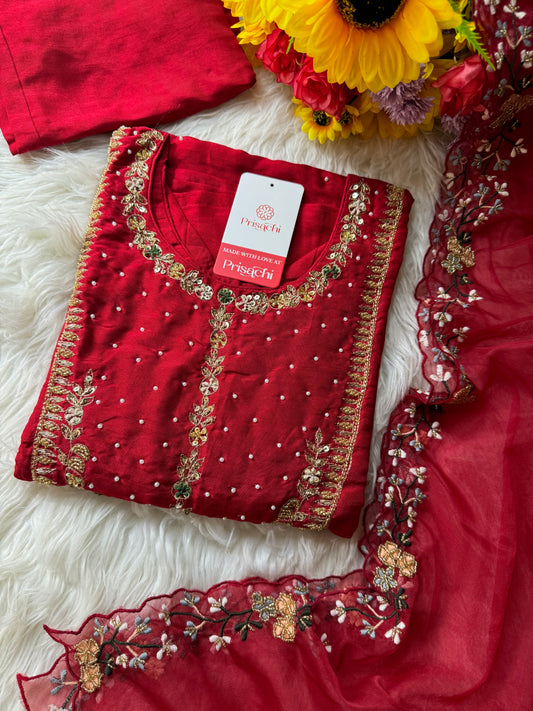
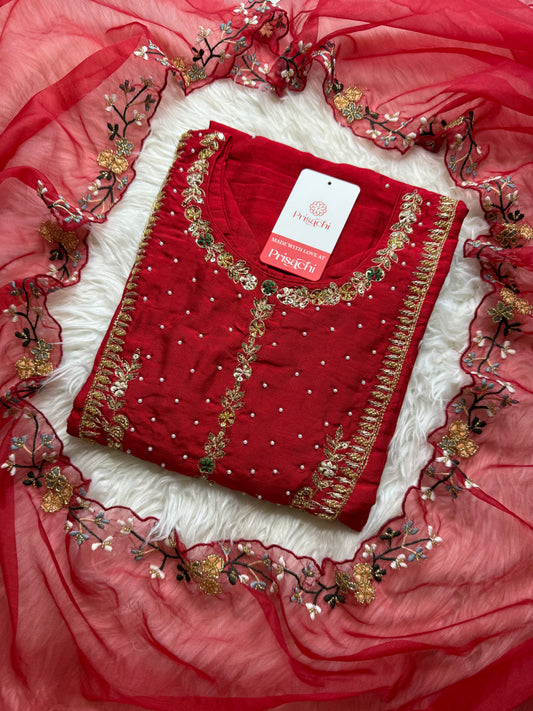
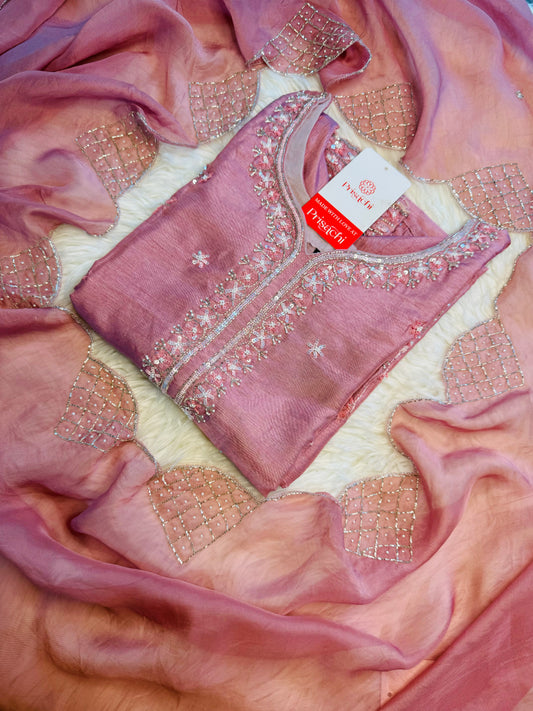
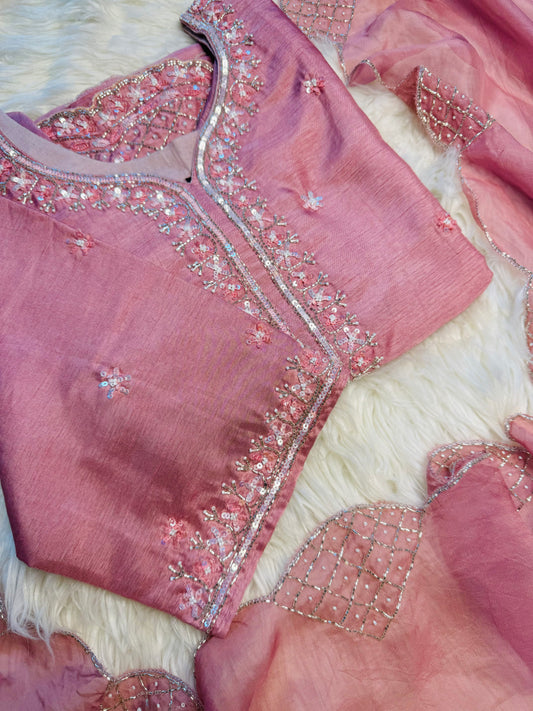
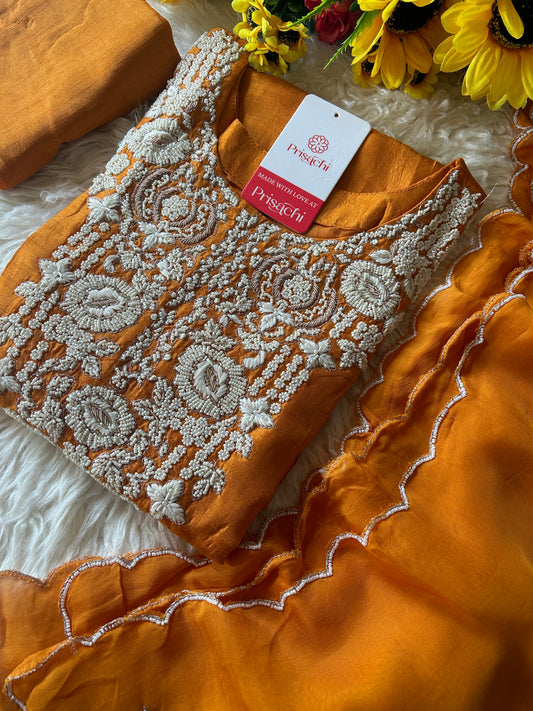
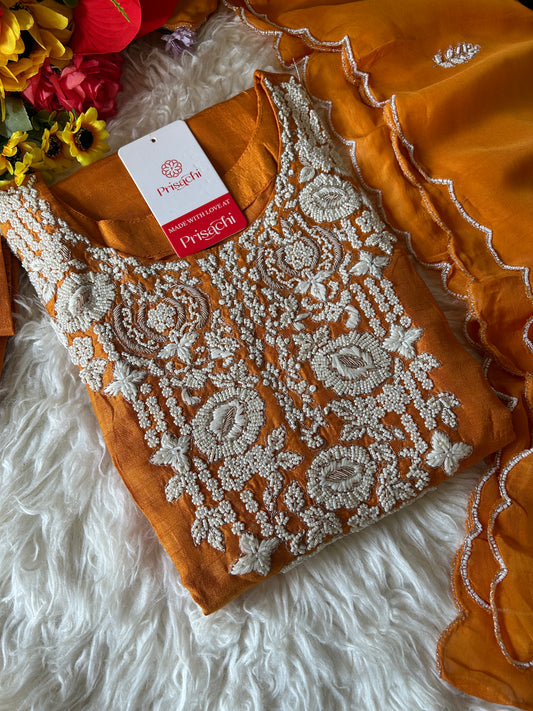
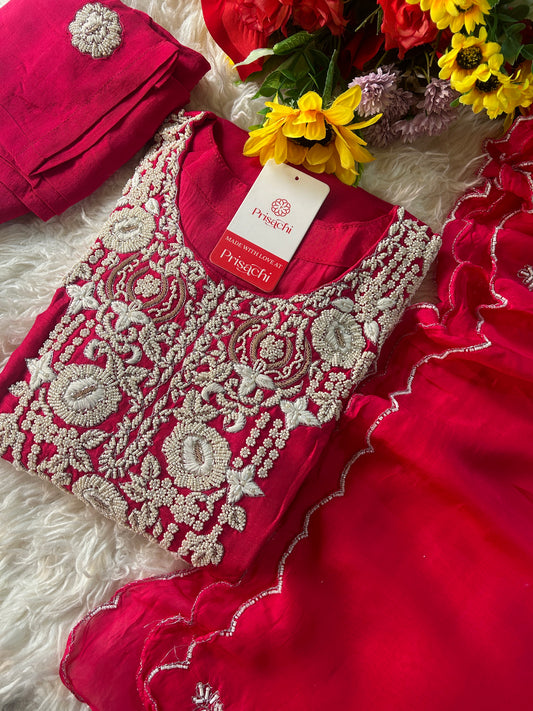
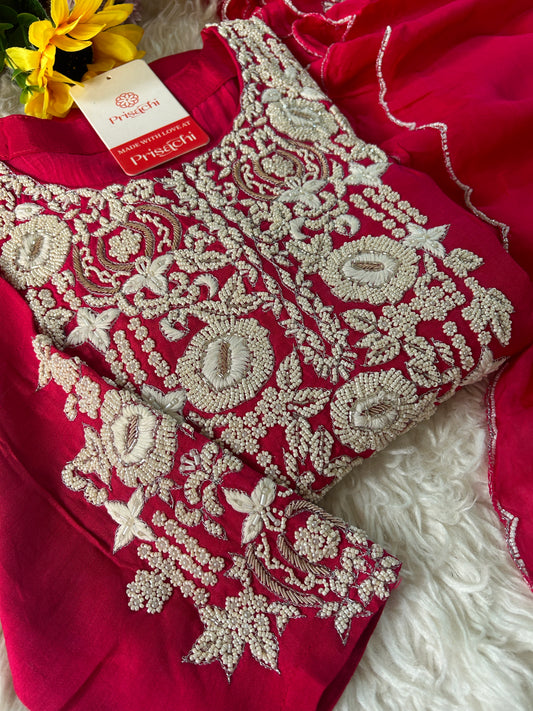
Embroidered Kurta Set for Women
An Embroidered Kurta Set Just Hits Different
A plain kurta does the job. An embroidered one does something more. You can feel the difference the moment you put it on — the weight of the threadwork, the way the dupatta sits, how it catches eyes without trying. That’s not branding talk, it’s just what good embroidery does.
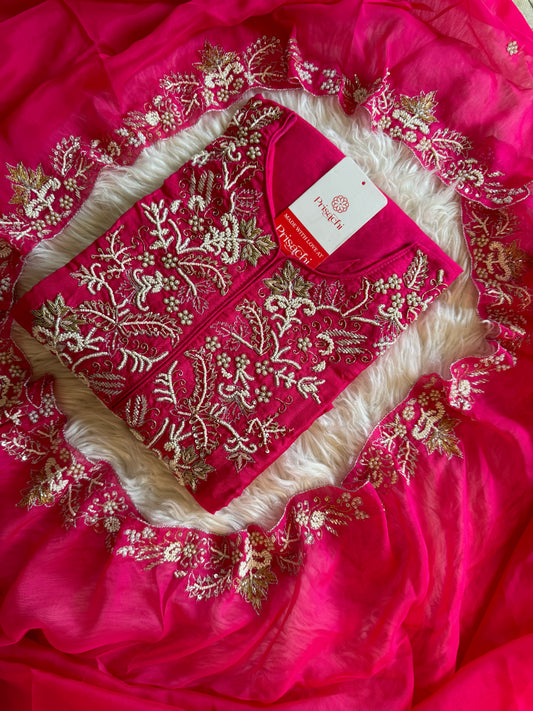
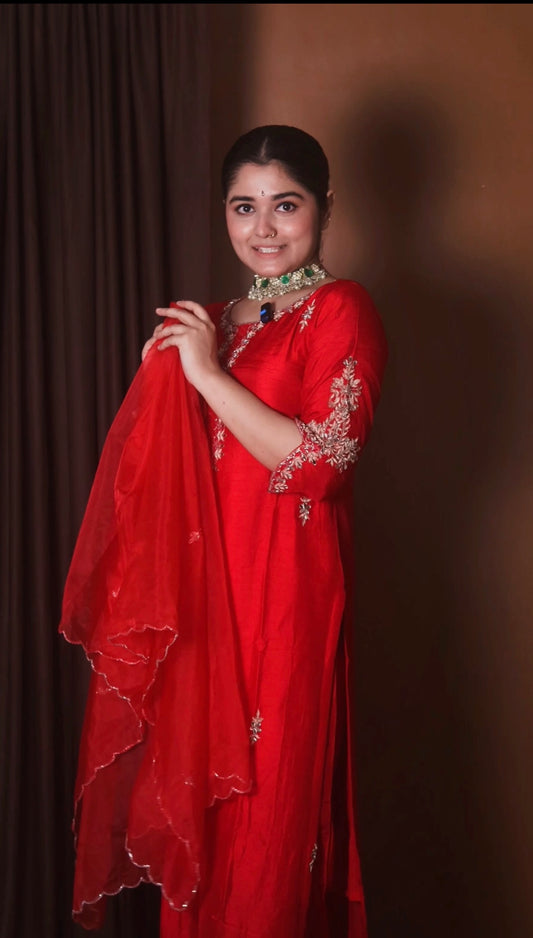
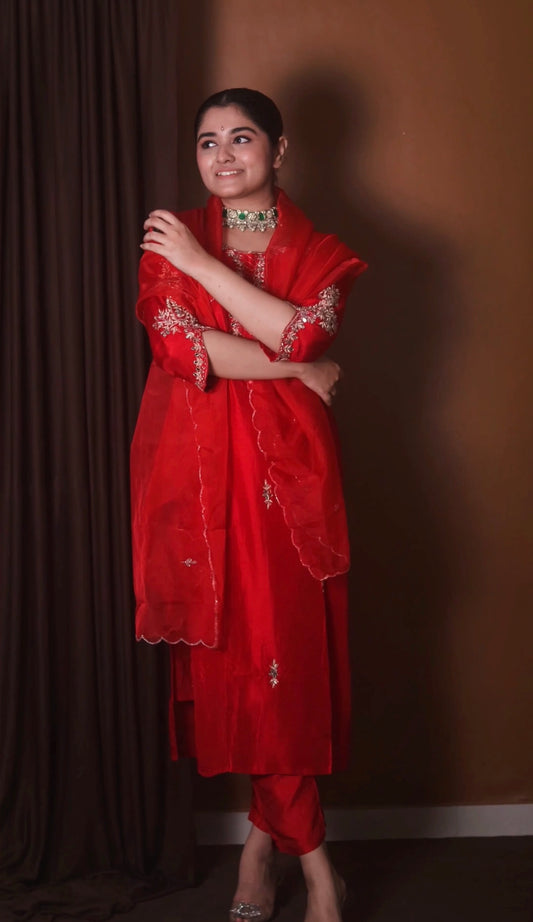
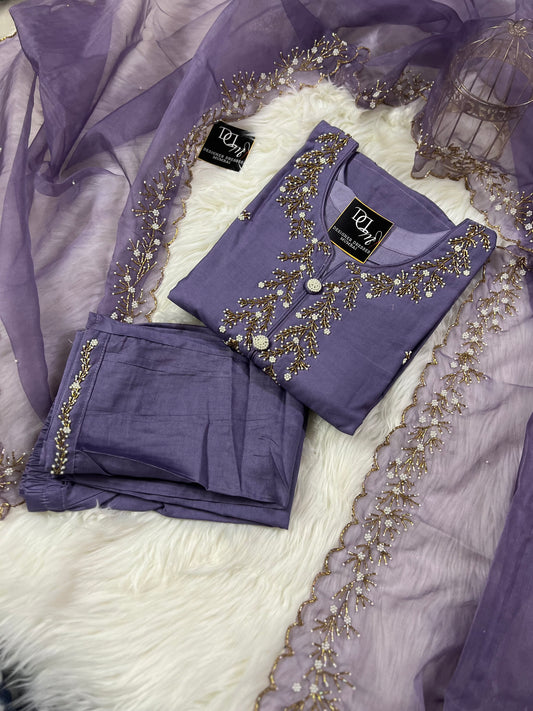
Indian women have been wearing embroidered kurta sets forever, and honestly, the trend isn’t slowing down. What changes is the cuts, the colour palettes, the kind of bottoms designers pair them with. The embroidery itself? Still mostly the same techniques our grandmothers wore, just adapted. Prisachi’s embroidered kurta set range sits in that overlap — old craft, current cuts, fabrics that don’t feel stiff or overcooked.
A Quick Walk Through the Embroidery Styles You’ll See
Once you start shopping for embroidered kurta sets, the names start blurring. Zari, zardozi, Chikankari, Gota Patti, Mukaish — what do they actually mean, and why does it matter? Quick rundown.
Chikankari is the famous one from Lucknow. Soft white threadwork on cotton or georgette, usually floral, very understated. It’s the embroidery you wear when you don’t want the embroidery to be the loudest thing in the room. Then you’ve got zari and zardozi — both use metallic thread, but zardozi is heavier, raised slightly off the fabric, the kind you’d see at weddings and receptions. You can usually tell zardozi by how the gold catches light differently from regular flat zari.
Gota Patti is Rajasthani. Glittery ribbon and applique, very mehendi-and-haldi coded, looks brilliant in mustard, coral, dusty pink. Mirror work has that earthy Gujarati-Kutch feel — small mirrors stitched into the fabric in geometric patterns. Mukaish is the underrated one most people don’t know by name — fine metal wires twisted into the cloth, subtle in photos but stunning in person. And then there’s regular thread embroidery, which sounds boring but isn’t — coloured floss in floral or geometric patterns, sits comfortably in the daily-wear-to-light-festive zone.
You don’t need to memorise all this. But the next time you’re picking out an embroidered kurta set with dupatta, knowing what kind of work you’re looking at will save you from over-dressing or under-dressing for the occasion.
Matching the Embroidery to the Day
Here’s where most people go wrong. They buy a heavy zardozi piece and end up wearing it twice because they don’t know where else to take it. Or they buy something subtle and feel underdressed at every wedding they attend. The fix is matching the weight of the embroidery to the kind of day you’re dressing for.
Office and Daily Wear
Keep it light. Chikankari kurta sets, light thread embroidery on cotton, anything that reads quiet. Pair with cigarette pants, small studs, done. Nothing more required.
Mehendi and Haldi Functions
Go bright, go medium-weight. Gota Patti, light mirror work, soft zari accents. Mustard, mint, blush, coral. Add jhumkas. Done.
Sangeet, Reception, and Wedding Evenings
This is where you actually go heavy. Zari, zardozi, sequin work. Silk or velvet base. Jewel tones — wine, emerald, ink blue, deep plum. Add chandbalis or a maang tikka, a clutch, and that’s the whole outfit. An embroidered kurta set in this category genuinely doesn’t need a stylist.
Festive Home Wear
Diwali, Karva Chauth, family pujas — these sit in the middle. Mid-weight embroidery on cotton silk or Chanderi, traditional motifs. Comfortable enough to actually enjoy the day, dressed-up enough to feel like you put in effort.
Which Fabrics Work With Which Embroidery
Embroidery doesn’t sit well on every fabric. Cotton handles light threadwork and Chikankari beautifully but can’t carry zardozi — the weight pulls the fabric out of shape. Silk and velvet are made for the heavy stuff; they hold the metallic thread without sagging and drape gorgeously. Chanderi has that soft sheen which makes mid-weight embroidery look richer than it actually is — underrated fabric, honestly.
Georgette is the in-between option. Light enough for daily wear, structured enough to hold sequins or light zari for evening events. If you’re shopping for one piece you’ll wear across occasions, georgette is usually the smart pick.
Why Pick Prisachi for Your Embroidered Kurta Set
Plenty of brands sell embroidered kurta sets. Most of them get one of three things wrong — the embroidery looks overdone, the fabric feels cheap up close, or the fit is off in ways you only notice once it’s on.
Prisachi tries to avoid all three. The motifs aren’t crammed onto every inch of fabric, the cottons and silks feel right against the skin, and the cuts sit naturally on the body instead of pulling at the wrong places. Colours stay grounded — pastels and neutrals for routine wear, deeper jewel tones for festive — and the brand stays away from anything trendy that won’t age past one season.
The collection covers the full range. Light Chikankari pieces for office. Mid-weight festive sets for home occasions. Heavier zari and zardozi work for weddings. If you find yourself drawn to flowy silhouettes, the anarkali kurta set collection has some beautiful embroidered options. And for cleaner, more structured cuts, the straight kurta for women range pairs well with the embroidered edit.
Looking After Embroidery Without Ruining It
Embroidery is a bit needy. Not impossible, just specific.
Light embroidery on cotton or georgette — gentle hand wash in cold water, mild detergent, no wringing. Squeeze water out softly and lay flat to dry. Heavy zari and zardozi — dry clean only. Metallic thread does not survive water and detergent. You’ll see the damage in three washes max.
Always dry in shade. Sunlight fades embroidery thread before it fades the base fabric, so you’ll end up with a kurta that looks mismatched. Iron inside out on low heat, never directly over the stitchwork. And store flat or rolled, not on hangers — gravity slowly pulls at the embroidery over months and you’ll start seeing loose threads.
Treat it well, and a good embroidered kurta set easily lasts five-plus years.
FAQs on Embroidered Kurta Sets with Dupatta
Which fabric is best for an embroidered kurta set?
Depends entirely on the occasion. Cotton, cotton silk, and georgette work for daily and office wear. Silk, Chanderi, and velvet are better for festive and wedding pieces because they hold heavier embroidery without losing shape. If you want one fabric that works across the board, georgette is your best bet.
Can embroidered kurta sets be worn for office?
Yes, but only the lightly embroidered ones. Chikankari, fine thread work, subtle mirror detailing on cotton — all fine for office. Heavy zari, zardozi, or sequin work belongs at festive events, not in conference rooms.
What sizes are available?
Prisachi’s embroidered kurta sets come in a wide size range. Fits stay natural rather than tight, so finding something comfortable is usually straightforward.
How do I wash an embroidered kurta set?
Light embroidery can be hand washed in cold water with mild detergent. Heavy zari or zardozi work should always be dry cleaned because water damages metallic thread. Dry in shade, iron inside out on low heat, and store flat for best results.