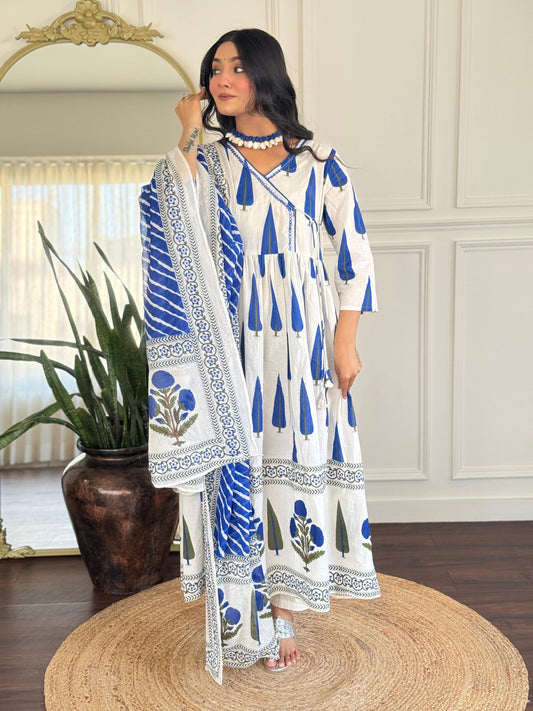
Wedding Dresses for Women
Indian Weddings Are Multi-Day Events. Your Wardrobe Should Know That.
Western weddings are usually one day, one outfit. Indian weddings are not. A typical Indian wedding spreads across four to seven events — engagement, mehndi, haldi, sangeet, the wedding itself, sometimes a reception, sometimes a mata ki chowki or a small puja the day before. Each event has its own color logic, fabric expectation, and dressing energy.
Which means buying "a wedding dress" doesn’t really make sense in the Indian context. You’re buying a wedding wardrobe.
That’s the frame that should guide your shopping — whether you’re the bride, the bride’s family, or attending three weddings this season. Prisachi’s wedding dresses collection is built around the actual structure of Indian weddings, not the single-outfit Western model.
What Each Wedding Event Actually Calls For
The dress codes for each event are looser than they used to be, but the general expectations still hold.
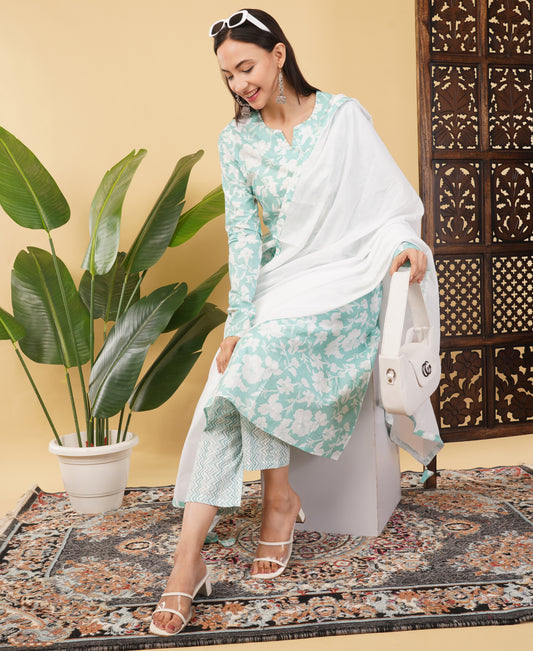
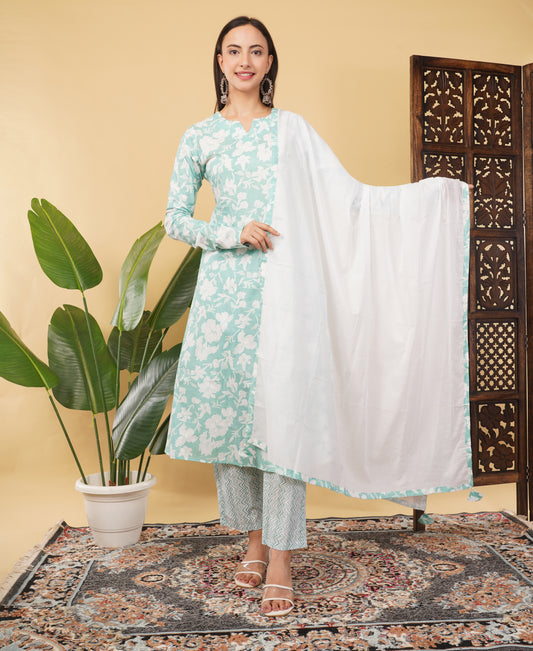
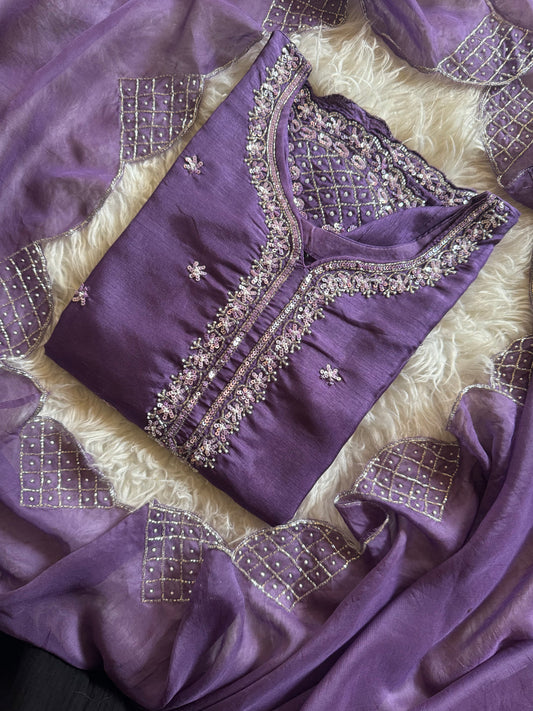
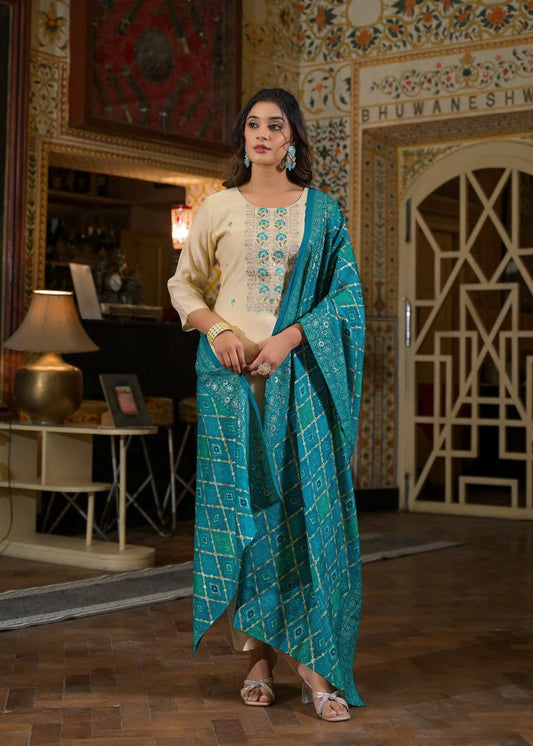
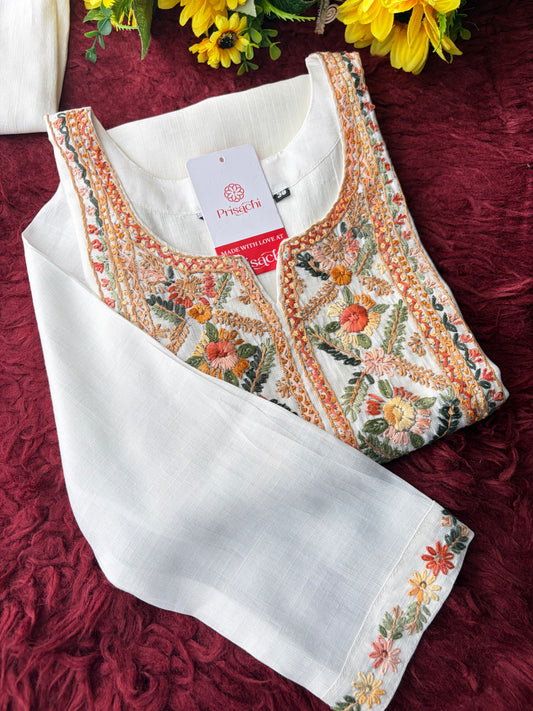
Engagement is the dressier daytime look. Pastel lehengas, embroidered Anarkalis, or designer sarees in soft tones — mint, lavender, blush, ivory. Light embroidery, not too much weight. The look is "elegant evening event" rather than "full wedding mode."
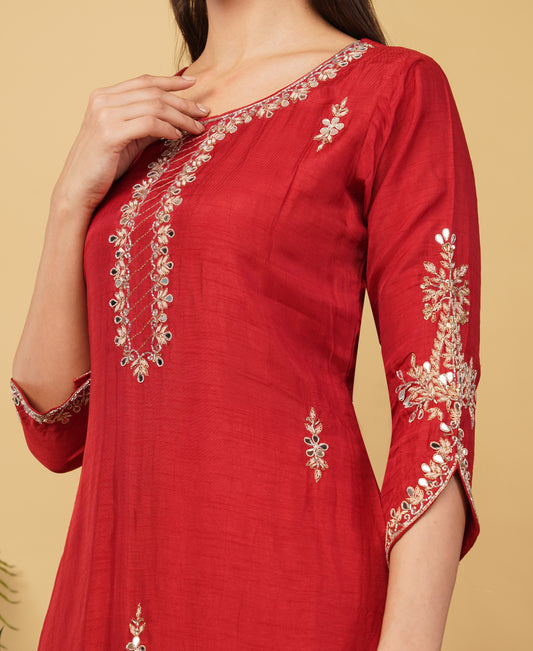
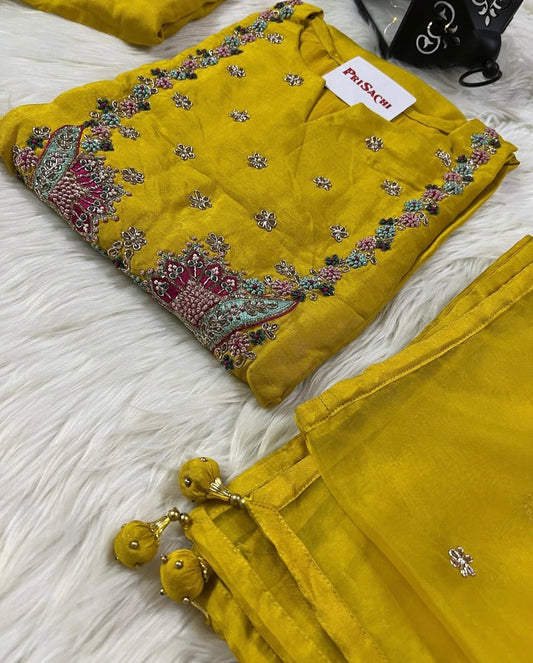
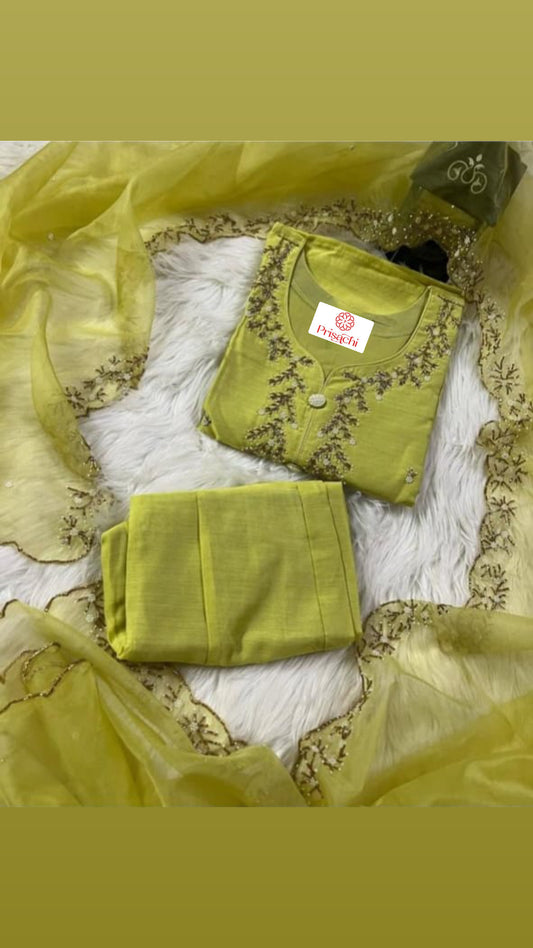
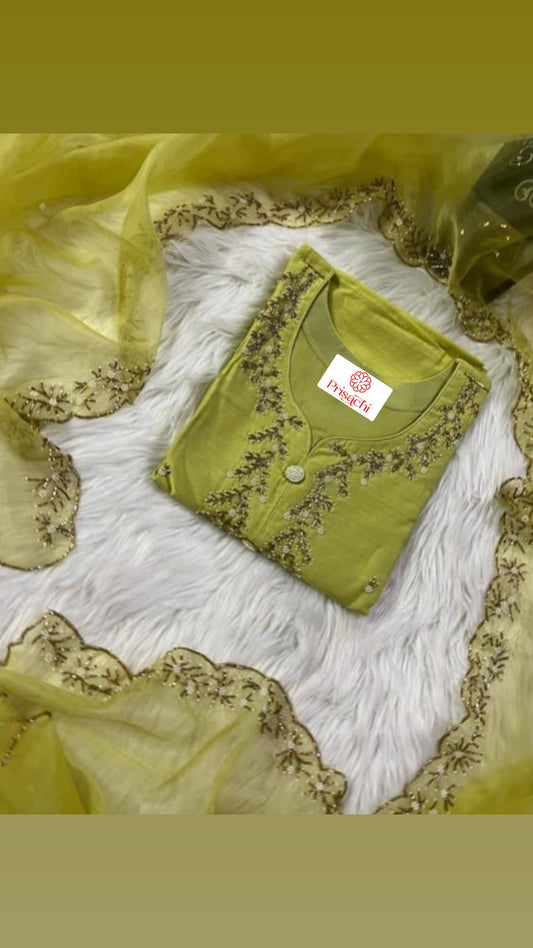
Mehndi calls for the brighter end of the palette. Green, yellow, orange, magenta, coral. Light embroidery, mirror work, or gota patti on a sharara or short kurta with palazzos. Comfortable enough to sit cross-legged for two hours while henna dries.
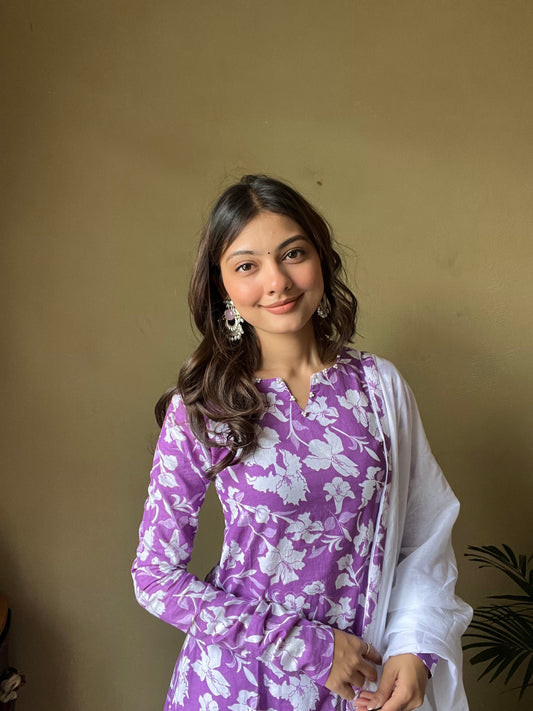
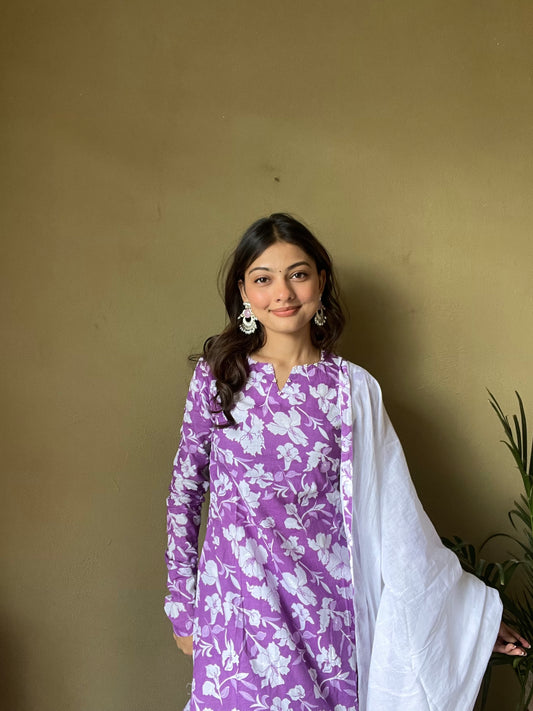
Haldi is yellow. Almost universally. A yellow kurta set or sharara with light gota patti work, paired with gold jhumkas and a flower or two in the hair. Cotton or Chanderi base because the turmeric will get on the fabric.
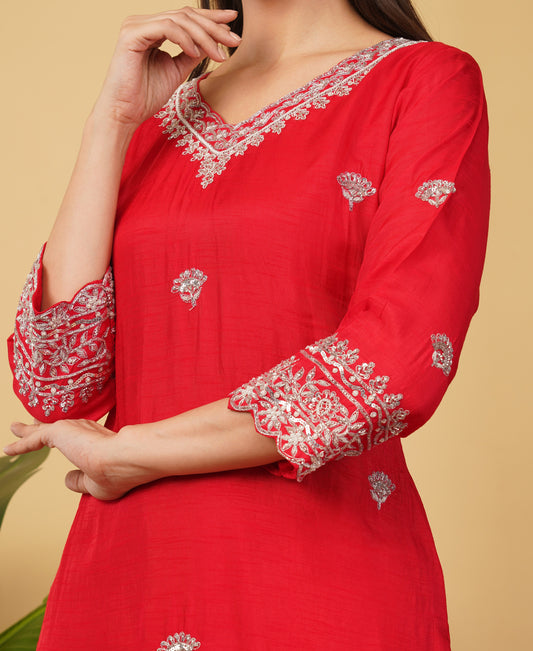
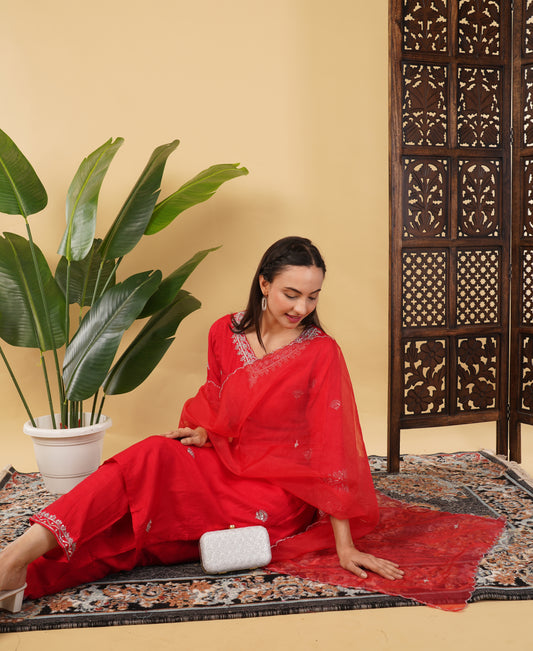
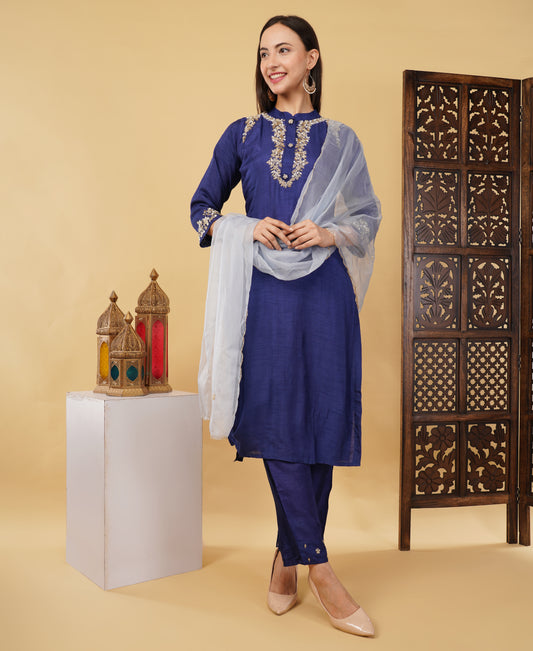
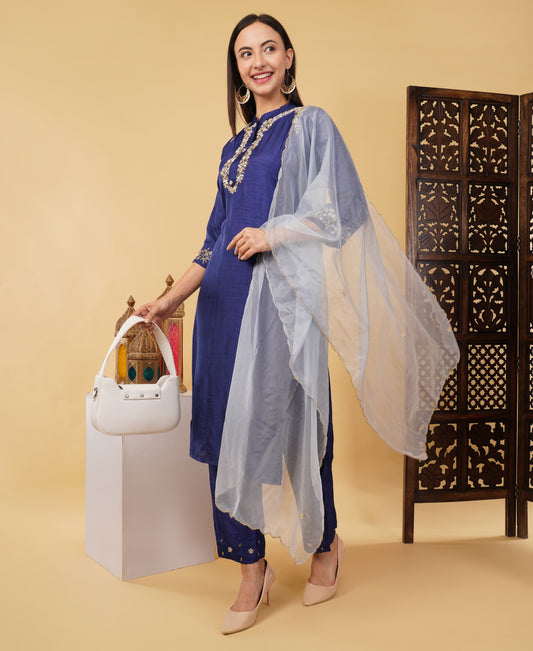
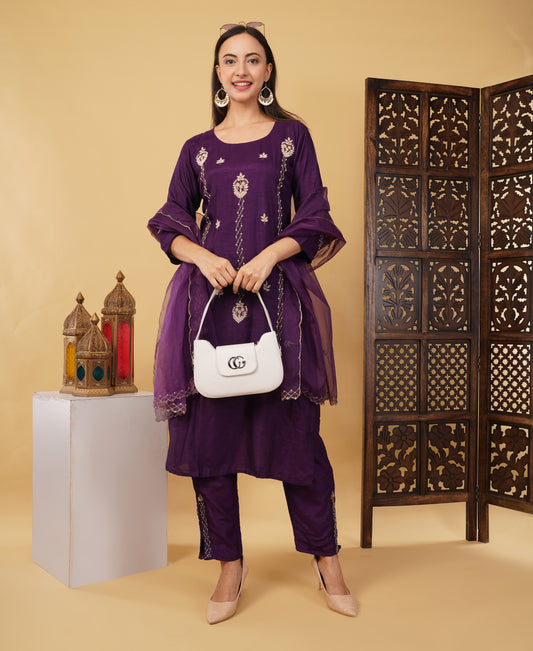
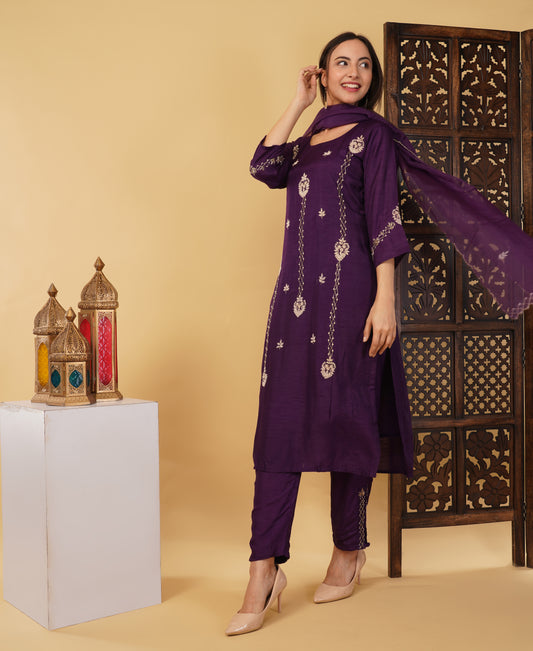
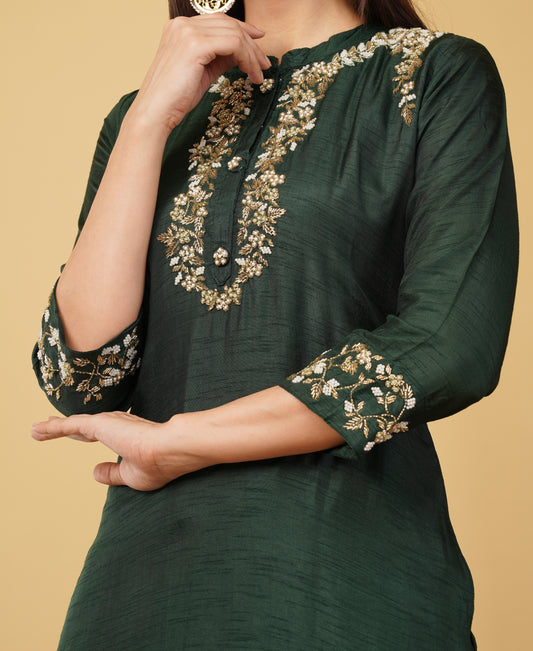
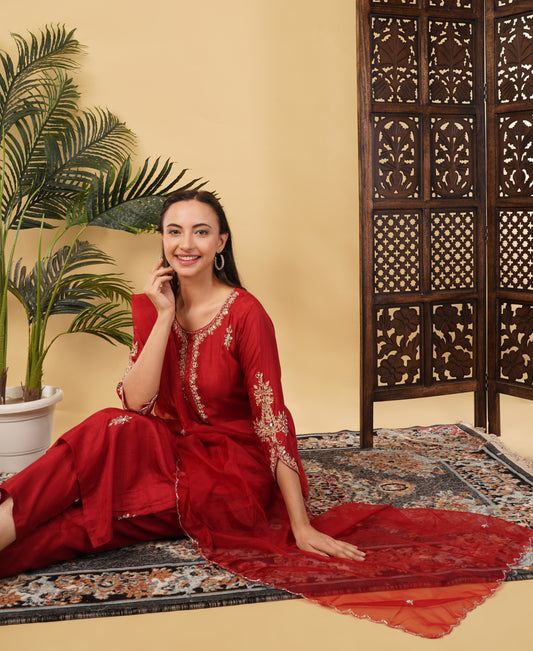
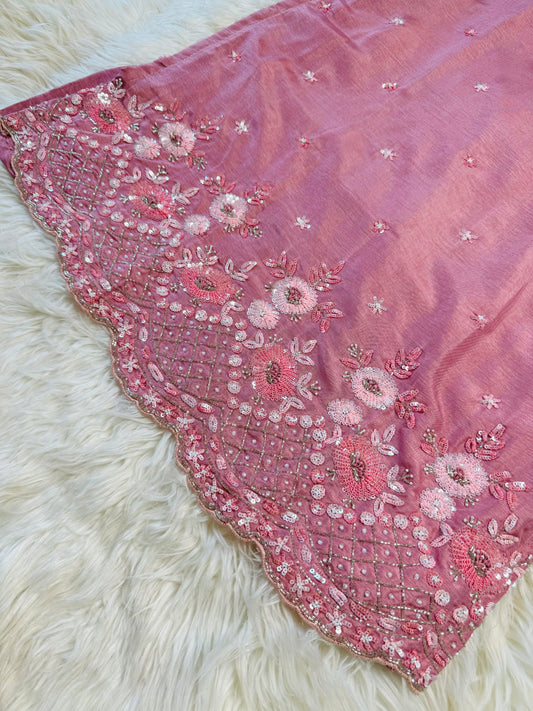
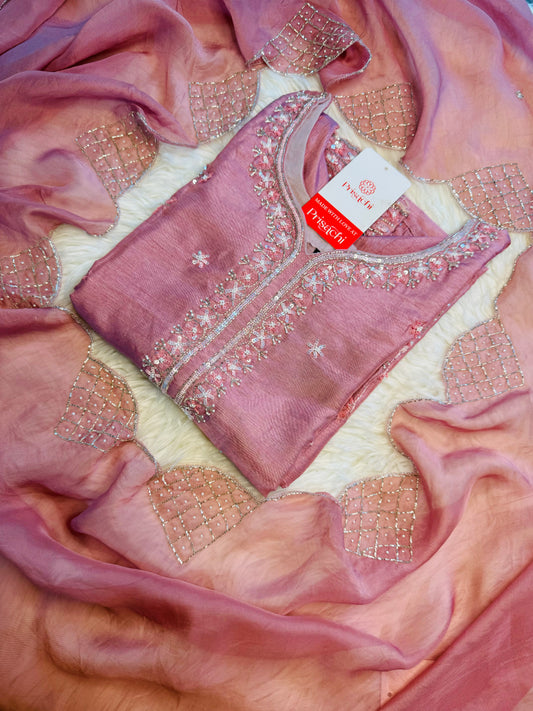
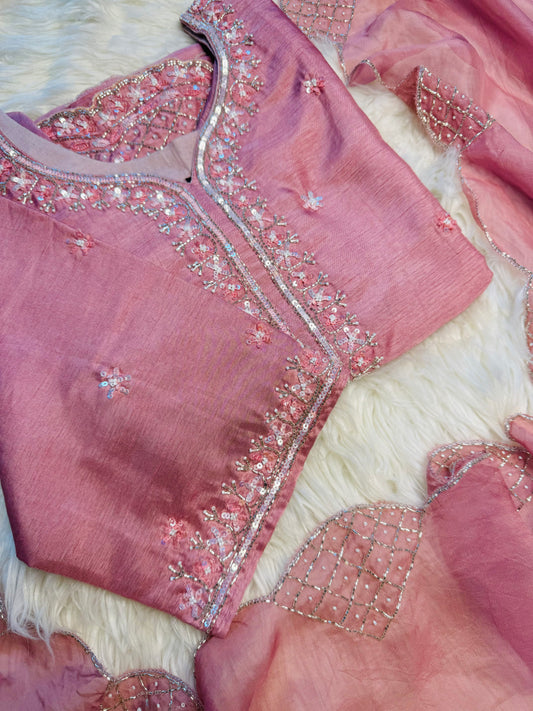
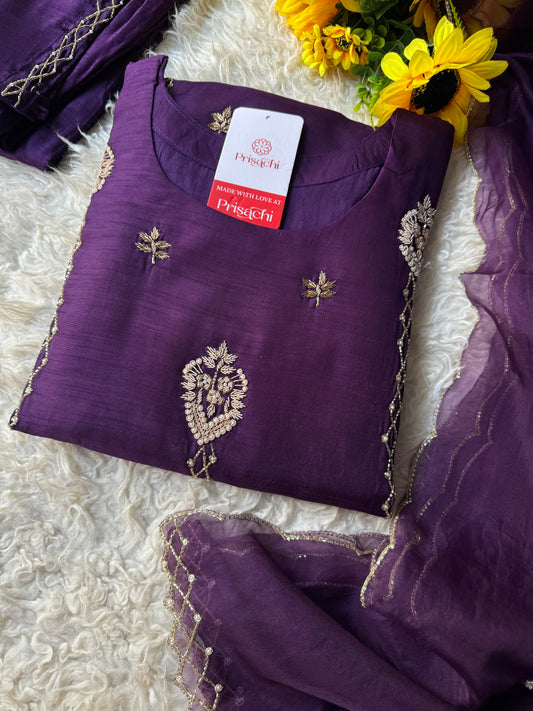
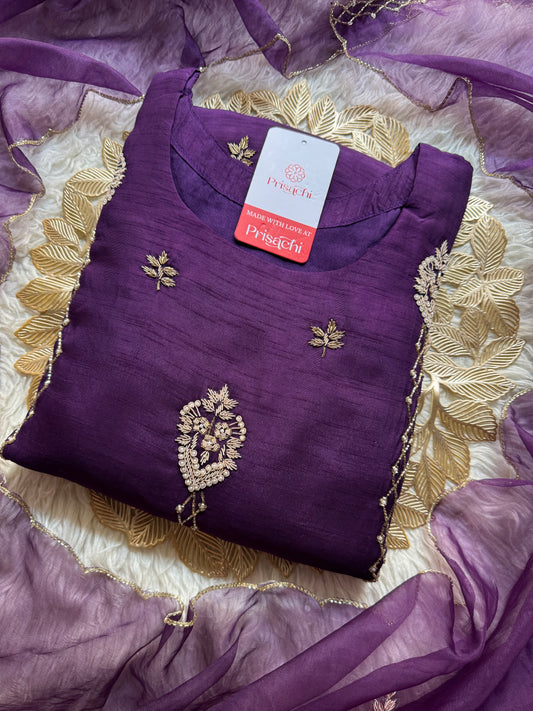
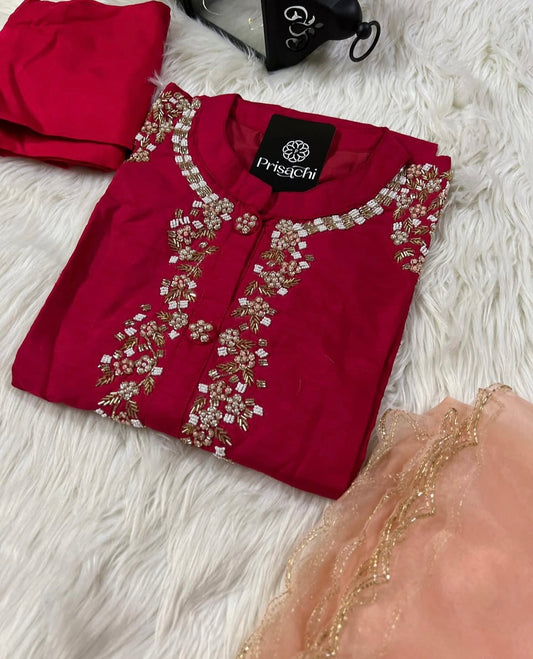
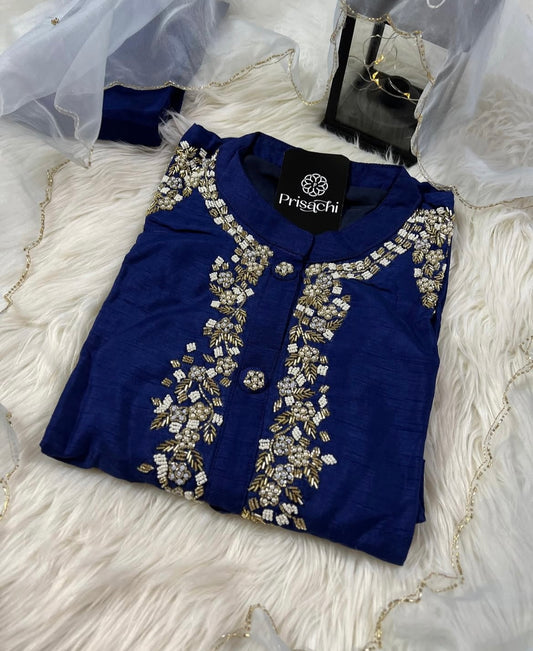
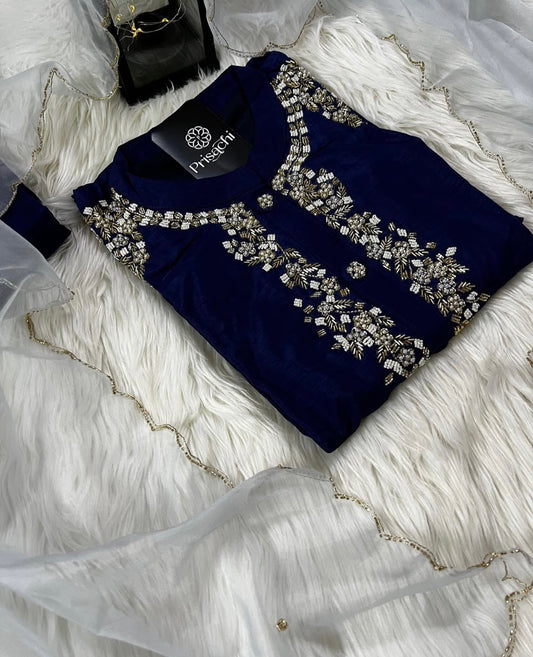
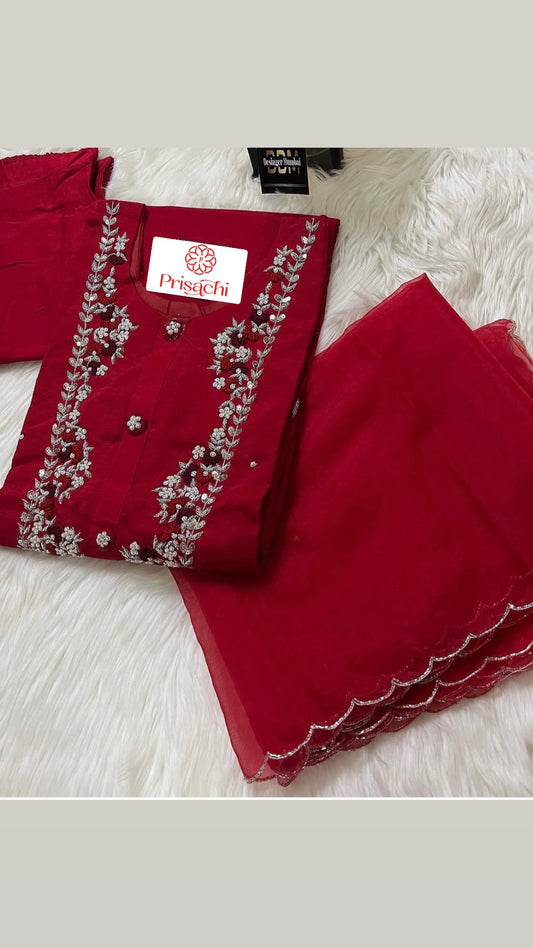
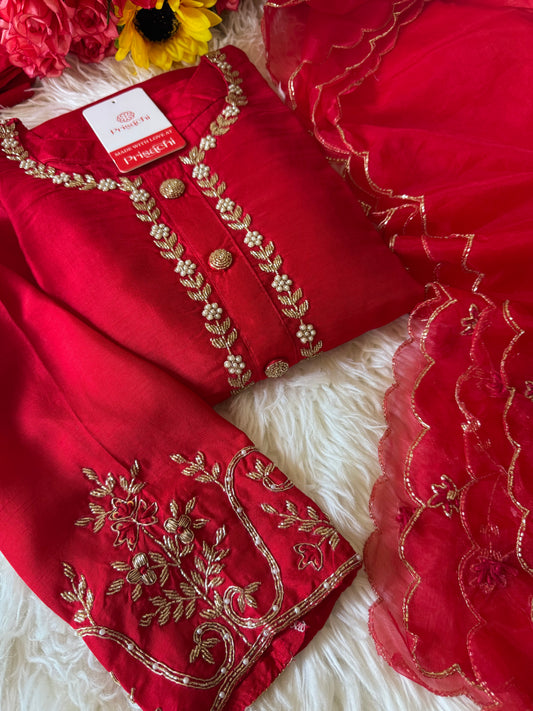
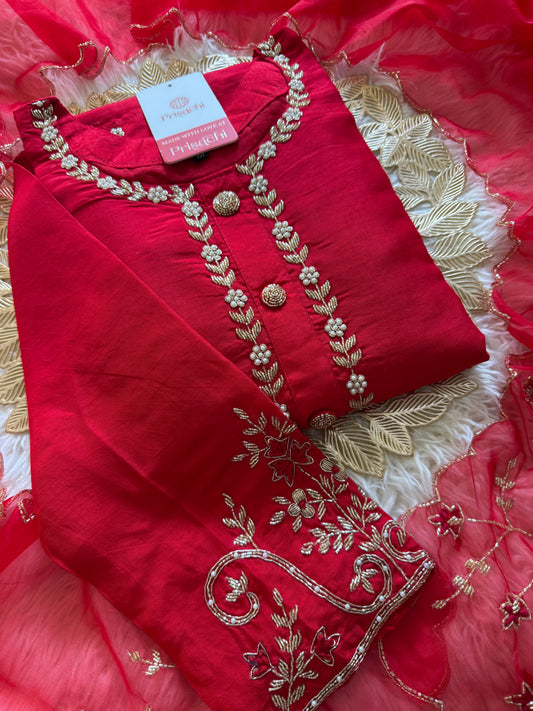
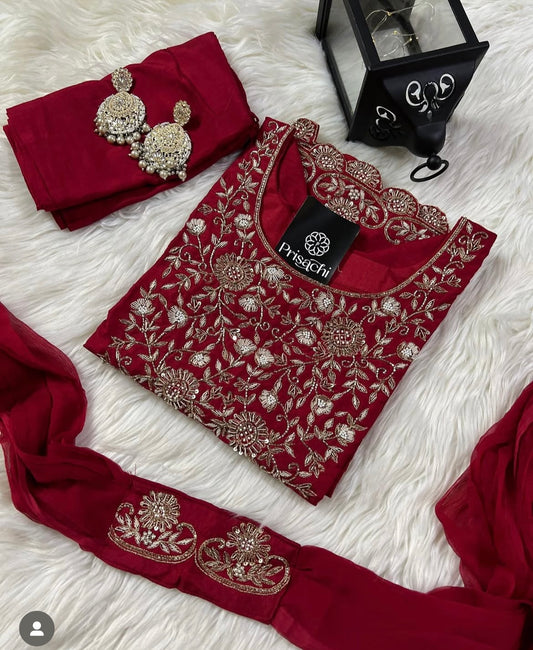
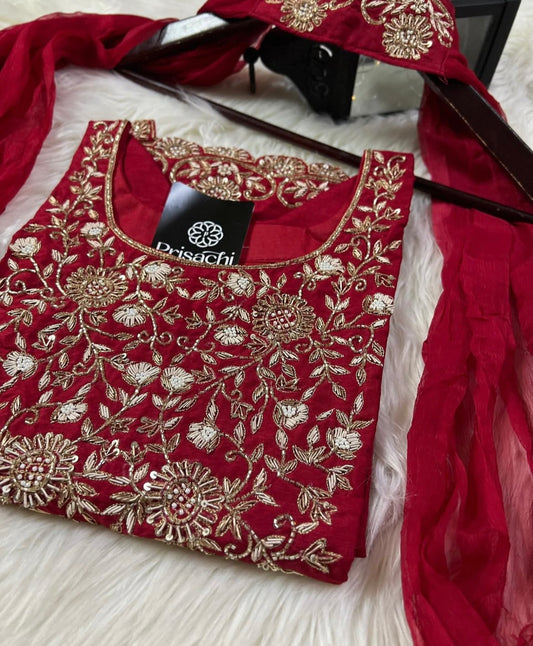
Sangeet is the night you actually plan your outfit for. Heavier embroidery, jewel tones, sequins, mirror work. An embroidered kurta set with sharara pants, or a heavy lehenga, or a designer saree. Wine, emerald, royal blue, deep magenta, eggplant all work here.
The wedding ceremony itself depends on whether you’re the bride or a guest. Brides wear regional silks — Banarasi, Kanchipuram, Paithani — or a lehenga aligned with family tradition. Guests avoid bridal red and similar tones, and lean toward jewel shades, dusty pastels, or rich neutrals like wine, emerald, sapphire, plum.
Reception is the modern dressing moment. Designer sarees, gowns, sharara sets, organza, georgette, sequins — anything that photographs well under indoor lighting.
For the Bride — What Actually Matters
If you’re the bride, you’ve probably been planning this for months. A few things matter more than they’re usually given credit for.
The biggest mistake is buying outfits in isolation. Wedding photos are seen together, so your mehndi, sangeet, wedding, and reception outfits should feel visually connected. You don’t need matching tones, but you do need harmony in energy — bright, light, then rich, then formal works better than random extremes.
Budget across events, not just the wedding outfit. Sangeet and reception often get more photographs and movement than the ceremony itself. Those outfits deserve equal attention.
Comfort is not optional. Wedding ceremonies often run 4–6 hours. Heavy lehengas and zari silks can weigh several kilograms. If your ceremony is long, lighter fabrics genuinely improve your experience.
For the wedding ceremony, regional silks tied to family tradition remain the safest choice emotionally — Banarasi or Kanchipuram in red, maroon, or accepted family tones. Modern palettes like pastels, ivory, and jewel tones also work if aligned with family expectations.
For Wedding Guests — A Practical Strategy
Most women attend multiple weddings a year. Building a repeat-use wardrobe is more efficient than buying new outfits each time.
Three core pieces cover most situations.
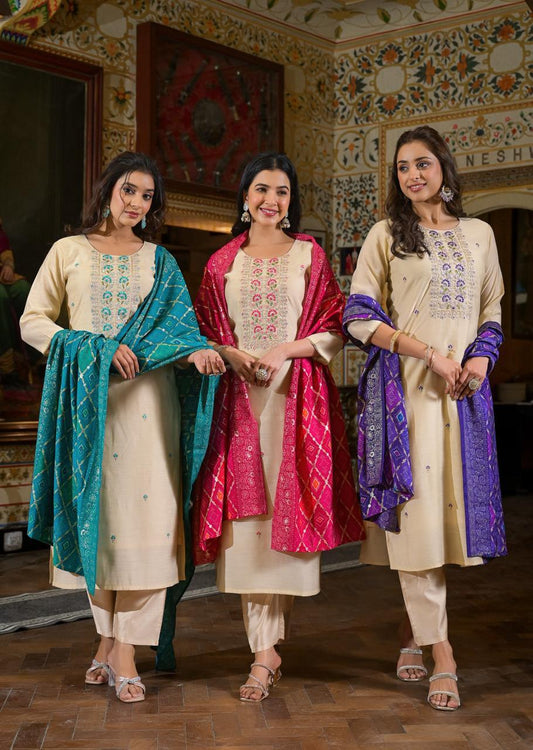
First, an Anarkali kurta set in a versatile shade — wine, emerald, plum, or dusty rose — in georgette or silk. Works for daytime ceremonies and lighter festive events.
Second, a heavier embroidered sharara or lehenga in a jewel tone. This is your sangeet and reception piece.
Third, a Chanderi or designer georgette saree in a refined color. Works for receptions, cocktail nights, and formal wedding evenings.
With just these, most wedding seasons become manageable without repeated shopping.
Color Strategy Across Wedding Events
A few simple rules hold across most Indian weddings.
Avoid bridal red as a guest. Also avoid shades too close to it at North Indian weddings. Wine, maroon, and deep pink are safe alternatives.
At South Indian weddings, avoid Kanchipuram-style bridal red and gold combinations if that is the bride’s chosen palette.
White and ivory are culturally acceptable in many contexts but less safe for the actual wedding ceremony. Better for engagement or reception.
Black works well for sangeet, cocktail, and reception nights but is less traditional for wedding ceremonies.
Day events prefer lighter tones; evening events prefer deeper or jewel tones.
Safest guest colors: wine, emerald, sapphire, plum, dusty rose, and navy.
Fabric and Embroidery Across Events
Fabric should match the intensity of the event.
Cotton and cotton silk work best for haldi and outdoor daytime functions.
Chanderi and georgette suit engagement, mehndi, and lighter festive events.
Silk belongs to wedding ceremonies — especially for brides or close family.
Net, organza, sequins, and heavy embroidered georgette are made for sangeet and reception evenings where lighting and movement matter.
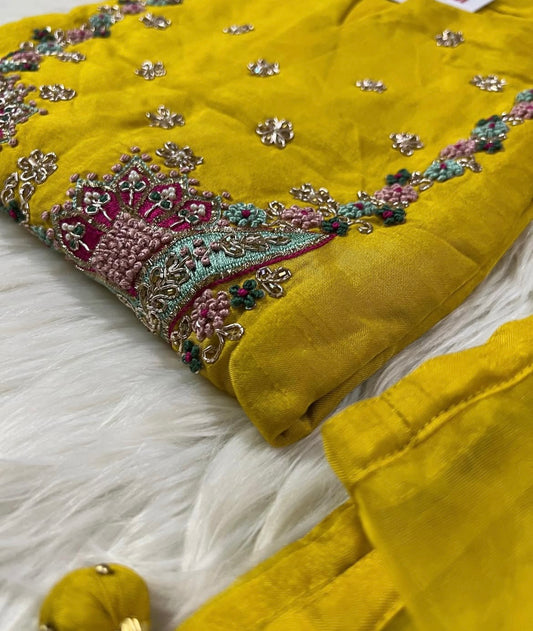
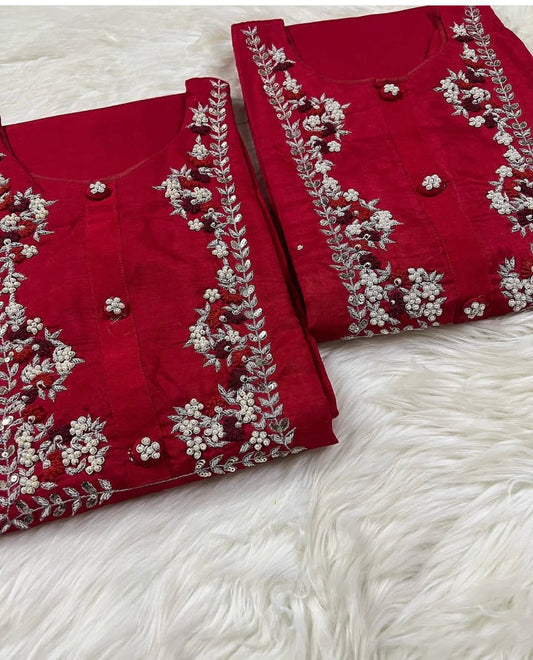
Embroidery follows the same logic. Gota patti and light mirror work for daytime. Zari, sequins, zardozi, and metallic embroidery for evenings.
Why Choose Prisachi for Wedding Dresses
Wedding wear is where construction quality matters most. Weak stitching, poor lining, and unstable embroidery fail at the exact moment you don’t want them to — during movement, dancing, or long ceremonies.
Prisachi focuses on structure as much as design. Linings are reinforced, embroidery is properly finished, and fabrics are chosen to hold shape through long wear.
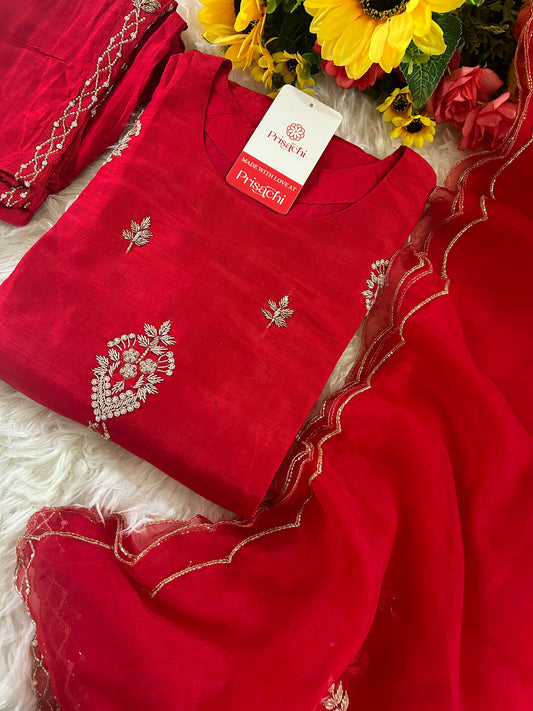
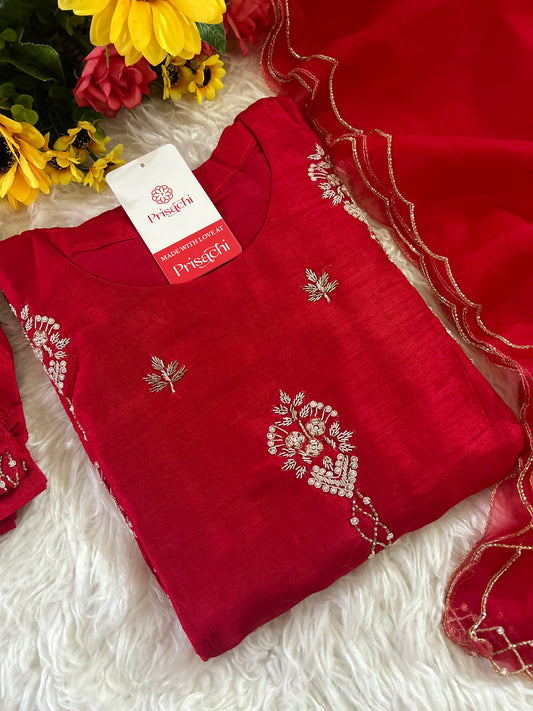
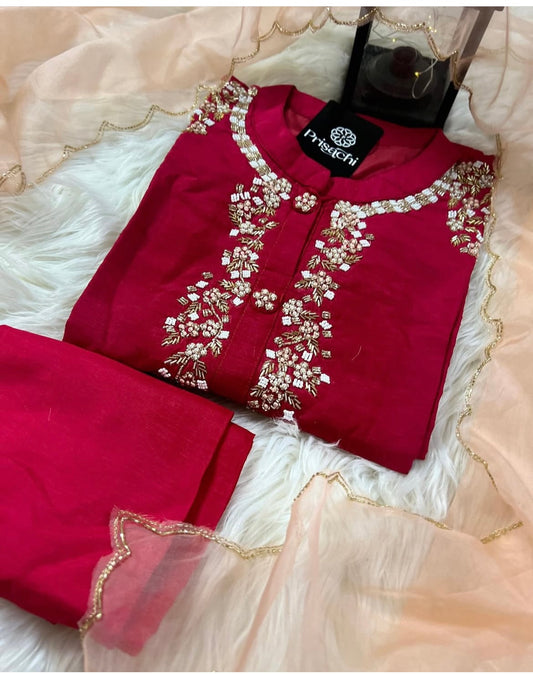
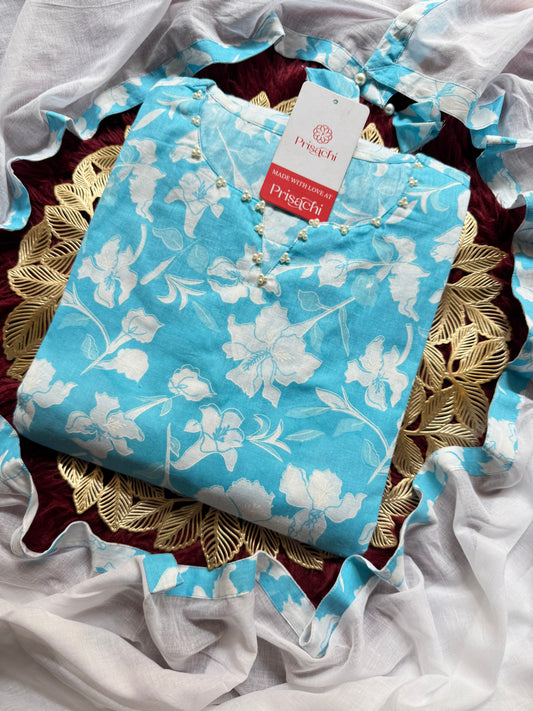
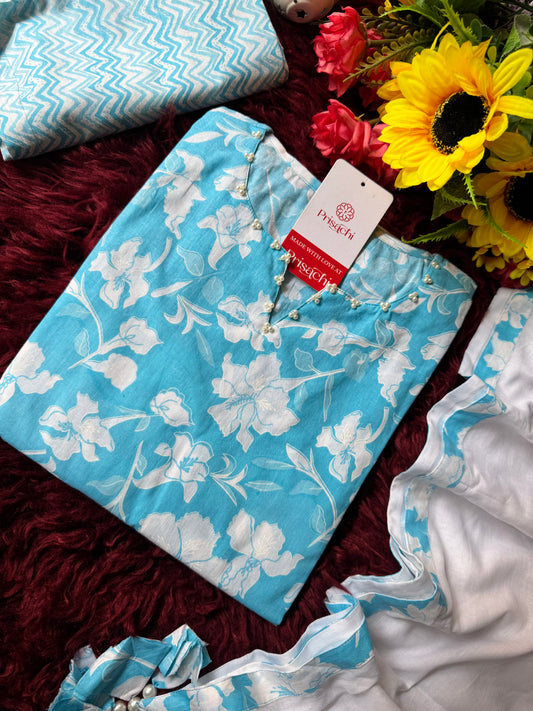
The collection spans the full wedding cycle — light pieces for haldi and engagement, mid-weight embroidered sets for sangeet, and heavier silhouettes for wedding ceremonies and receptions. The anarkali kurta set range, embroidered kurta set range, and chikankari kurta set range support different event needs across the same wardrobe.
Caring for Wedding Dresses Between Events
Wedding outfits are often reused across seasons, so storage matters.
Always dry clean before storing to remove hidden stains.
Use cotton or muslin garment bags instead of plastic to prevent moisture damage.
Refold sarees and heavy pieces periodically to avoid permanent crease lines.
Store heavily embroidered outfits flat or gently rolled rather than hung.
Air them occasionally to prevent mustiness.
Use natural repellents like neem or cedarwood to protect silk and embroidered fabrics.
FAQs on Wedding Dresses for Women
What should I wear to different wedding events?
Haldi: yellow-based cotton or light sharara sets.
Mehndi: bright green, coral, magenta, or yellow tones.
Engagement: pastels and light embroidery in sarees or Anarkalis.
Sangeet: jewel tones with heavier embroidery or sequins.
Wedding ceremony: regional silks or traditional lehengas.
Reception: designer sarees, gowns, or modern embroidered sets.
Can I wear a lehenga as a wedding guest?
Yes. Avoid bridal red and overly bridal silhouettes. Wine, emerald, plum, sapphire, and dusty tones are safe. Lighter lehengas work for daytime, heavier ones for evening events.
What colors should wedding guests avoid?
Avoid bridal red in North Indian weddings and traditional Kanchipuram red/gold in South Indian weddings if it overlaps with the bride’s look. Avoid pure white for wedding ceremonies. Black is fine for evening events but less traditional for ceremonies.
How do I build a wedding guest wardrobe?
Three core outfits: a versatile Anarkali set, a heavy embroidered sharara or lehenga, and a Chanderi or designer saree. Rotate accessories to refresh looks across weddings.
How do I care for wedding outfits?
Dry clean before storing. Use muslin bags, not plastic. Refold periodically. Store heavy pieces flat or rolled. Air occasionally and use natural moth repellents for long-term protection.