Yellow Kurti for Women
Yellow Is What You Wear When You Want to Feel Lighter
Most colors are functional. Yellow isn’t. You don’t pick a yellow kurta because it goes with everything. You pick it because the day calls for something brighter.
It’s a mood color. Yellow shows up at haldi functions, at summer mornings, at family gatherings where the energy is warm. It’s the color of mustard fields, Diwali diyas, and the marigolds at every Indian wedding. There’s a reason it keeps showing up in our most joyful moments.
Prisachi’s yellow kurti collection leans into that. Pieces meant for the days you actually want to feel cheerful — not the ones you’re just getting through.
Haldi Is Where Yellow Earns Its Reputation
If you’re searching for a yellow kurta, chances are you have a haldi function coming up. That’s where this color does its most important work in Indian fashion.
Haldi dressing has a fairly strict colour code, and yellow is at the top of it. Bright yellow, mustard, sunshine yellow, even soft pastel yellow — all acceptable, all expected.
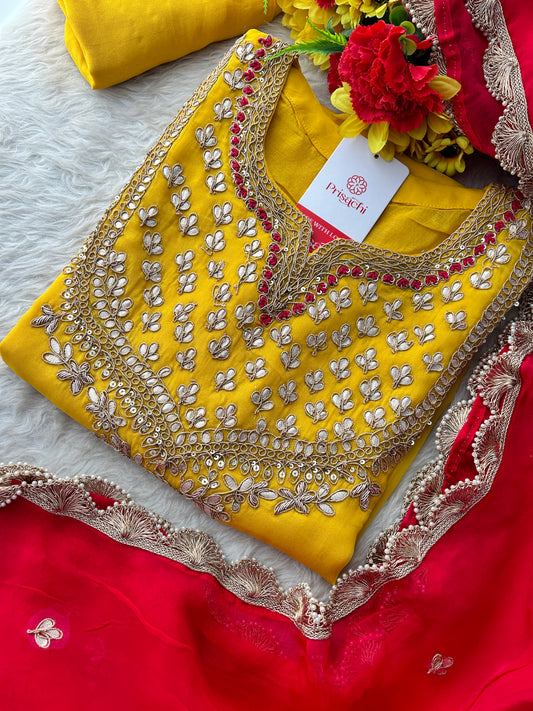
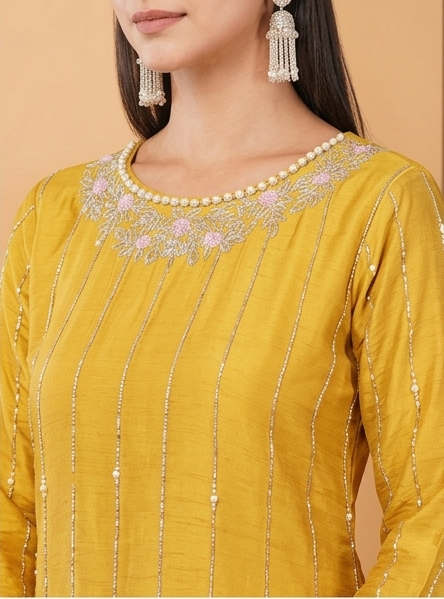
A yellow kurta set with light gota patti work or mirror detailing, paired with gold jhumkas and a fresh flower or two in the hair, and you’ve nailed the haldi look without overthinking it.
For the bride’s family or close friends, slightly heavier embroidery works. For other guests, lighter pieces in cotton or Chanderi look more appropriate.
Either way, yellow is the safest, easiest choice. Wearing anything else risks looking out of place in the photos.
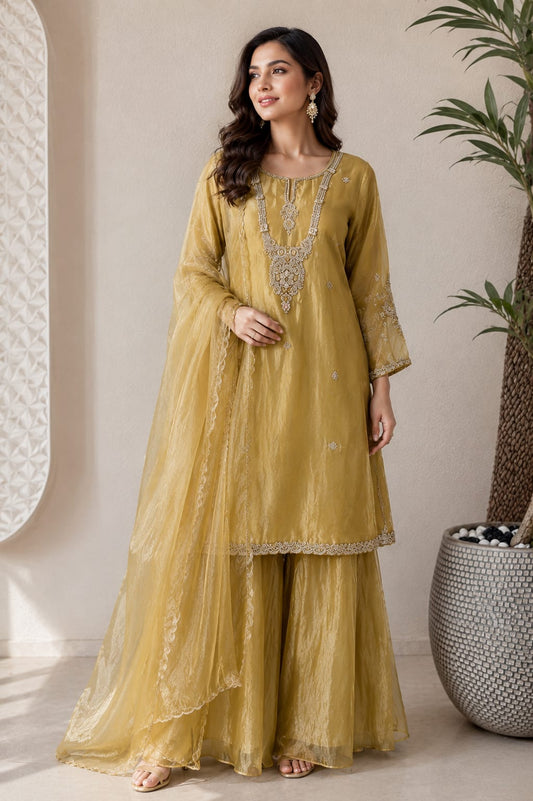
If you want something dressier with the same haldi-friendly energy, a sharara in yellow with light embroidery is the upgrade pick.
Not All Yellows Are the Same Shade
This is the part most women learn the hard way. Yellow has range, and the difference between shades isn’t subtle.
Mustard is the deep, warm, earthy yellow. Reads autumnal, slightly vintage. Works beautifully on warm skin tones and looks especially good in Chanderi or silk.
Mustard is the most versatile yellow — works for haldi, festive, even some office events.
Sunshine yellow is the bright, optimistic, almost school-bus yellow. Strong color, photographs vivid, great for haldi where the photos matter.
Lemon yellow is sharper than sunshine, slightly cooler, with a faint greenish undertone. Looks fresh in summer, especially in cotton.
Pastel yellow is the softest, gentlest version. Reads elegant rather than energetic. Perfect for daytime weddings where you want yellow without it being loud.
Marigold yellow sits between mustard and sunshine, with an orange edge. Festive, warm, made for Diwali and family functions.
If you’re buying just one yellow kurta and unsure where to start, mustard or pastel yellow are the safer bets. Sunshine and lemon are bolder choices.
Yellow and Skin Tone — Let’s Be Honest
Yellow is the trickiest color in ethnic wear for skin tone matching. There’s no way around it.
Warm undertones (yellow or peachy base in the skin) look fantastic in yellow. Mustard, marigold, sunshine — all flatter. This is the skin tone yellow was made for.
Cool undertones (pink or blue base in the skin) need to be more careful. Bright sunshine yellow can wash out cool skin or fight against it. Pastel yellow and cream-leaning yellows work better.
Neutral undertones (most Indian skin) have the easiest time — most yellows work. Soft pastels and mustard are the safest picks.
The test — hold the kurta up against your wrist in natural daylight. If your wrist veins look greenish, you’re warm-toned and yellow will flatter. If they look bluish or purple, you’re cool-toned and you’ll want to lean toward pastels.
Get it right once and you’ll keep coming back to yellow. Get it wrong and the kurta sits in the cupboard.
When to Wear Yellow Beyond Haldi
Yellow earns its place in the wardrobe far beyond haldi season.
Summer everyday wear — cotton yellow kurtas, especially in pastel or soft mustard, work beautifully in Indian summers. The color reads light and the lighter fabric breathes well. Pair with white palazzos and juttis.
Daytime weddings and family functions (as a guest) — Chanderi or georgette yellow kurta with light embroidery, paired with a contrasting dupatta. White, mint green, or soft pink work beautifully.
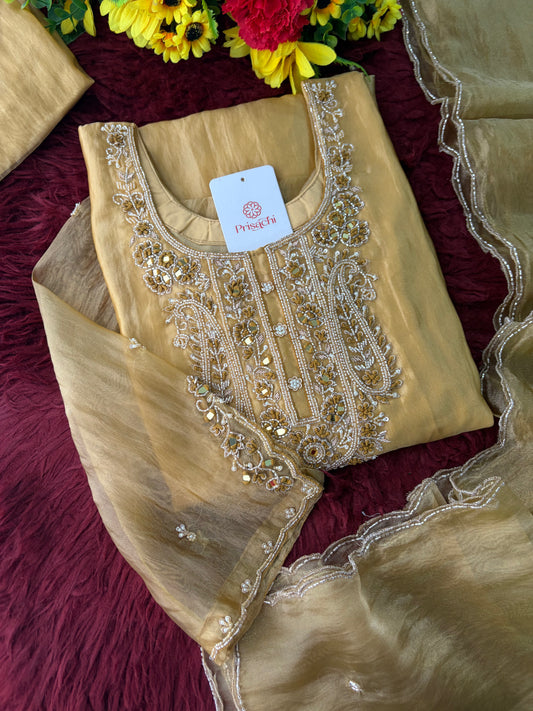
Diwali — mustard, marigold, or deep yellow with gold zari embroidery. Festive without being heavy. Comfortable for long days of pujas and visits.
Office — pastel yellow or muted mustard in straight cuts, paired with neutral trousers. The color is unusual enough to feel fresh without being loud.
The only occasion where yellow doesn’t quite work is evening formal events and traditional ceremonies that lean toward jewel tones. For those, lean toward maroon, navy, or emerald instead.
Which Cuts and Fabrics Work Best in Yellow
A few combinations land particularly well.
Cotton yellow kurtas — the everyday workhorse. Light, breathable, summer-friendly.
Anarkali and A-line yellow kurtas — the festive favourites. The flare in yellow photographs beautifully.
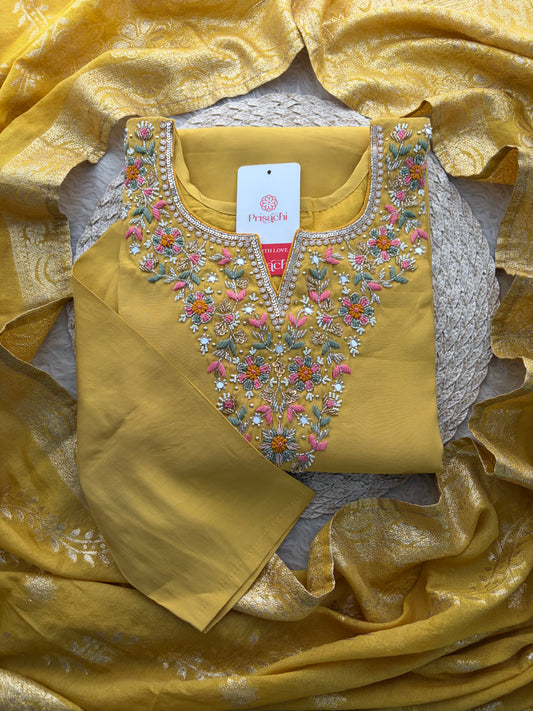
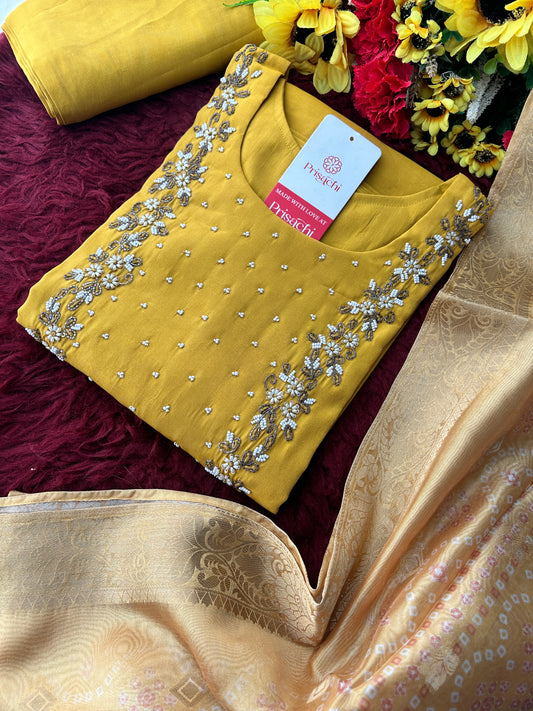
Embroidered yellow kurtas — gold zari, mirror work, and gota patti pop on yellow in a way they don’t on many other colors.
Fabric-wise — cotton for daily and summer. Chanderi for daytime festive. Georgette for dressier pieces with embroidery. Silk yellow is the dressy haldi pick. Mulmul yellow works for chikankari-style summer pieces.
Why Choose Prisachi for Yellow Kurta Sets
Yellow is a hard color to manufacture well. Cheap dye work shows up faster on yellow than almost any other color — the bright versions go chalky, the mustards go murky, and the pastels fade to off-white within a few washes.
Prisachi pays attention to dye depth on yellow specifically. The brights stay bright. The mustards keep their warm earthy tone. The pastels don’t fade into beige.
Fabrics — cotton, mulmul, Chanderi, georgette — are picked so the color sits cleanly without bleeding into the dupatta or pant border.
The range covers the full spread. Light pastels for summer and daytime weddings. Bright sunshine and mustard for haldi. Deeper marigold for Diwali and festive occasions.
If you’re drawn to softer threadwork, the chikankari kurta set range has pastel yellow chikankari pieces.
How to Care for Yellow Kurtas
Yellow is dye-sensitive in a specific way — it doesn’t bleed as much as red, but it fades into murky tones faster than most colors.
Wash separately the first few times. Cold water only — hot water dulls yellow quickly. Mild detergent, no bleach, no strong fabric softener.
Air dry in shade. Yellow fades fast in direct sunlight, especially the brighter shades.
Iron on the right heat for the fabric. For embroidered pieces, iron inside out.
For silk or heavily embroidered yellow kurtas, dry clean only.
Store folded with tissue paper. Yellow tends to absorb other colors’ bleed-off in storage, so keep it separate from reds, blues, and dark colors.
FAQs on Yellow Kurta Sets for Women
Which shade of yellow suits me best?
Warm skin undertones look beautiful in mustard, marigold, and sunshine yellow. Cool undertones do better with pastel yellow or cream-leaning shades. Neutral undertones have the most options. Pastel yellow and mustard are the most universally flattering shades.
What occasions are yellow kurta sets best for?
Haldi is the primary occasion — it’s the standard color for that function. Beyond haldi, yellow works for daytime weddings, mehndi, Diwali, summer everyday wear, and even office in muted shades.
How do I keep my yellow kurta from fading?
Wash separately in cold water with mild detergent. No bleach, no fabric softener. Air dry in shade only. For silk and embroidered yellows, dry clean only.
What should I wear under a yellow kurta?
Cotton yellow kurtas pair beautifully with white, off-white, or contrasting palazzos. Embroidered yellow kurta sets usually come with matching bottoms and a contrasting dupatta. For haldi specifically, an all-yellow look with a contrasting dupatta is a timeless choice.